




The BMW Electric Car 2026 lineup is expected to feature advanced EV models like the BMW i5, i7, and upcoming Neue Klasse vehicles, offering 500–700 km range, ultra-fast charging, luxury interiors, and next-generation autonomous driving technology.
- Overview of BMW Electric Car 2026
- Design and Exterior Looks
- Engine, Performance and Driving Experience
- Mileage and Real-World Fuel Efficiency
- Interior, Comfort and Seating Quality
- Features and Latest Technology
- Safety Features and Build Quality
- Variants, Colours and Customization Options
- Price, On-Road Cost
- Pros and Cons of BMW Electric Car 2026
- Comparison with Main Rivals
- Who Should Buy This Car?
- FAQ
The BMW electric car 2026 lineup is shaping up to be one of the most exciting developments in the global EV market. With rising fuel costs, stricter emission norms, and a growing shift toward sustainable mobility, BMW is pushing hard to redefine luxury electric driving. From what I’ve seen and researched closely, BMW isn’t just making electric cars they’re building an entirely new driving experience.
What makes BMW stand out in 2026 is its strong focus on performance + luxury + technology. Unlike many EV brands that focus only on efficiency, BMW continues to deliver its signature “Sheer Driving Pleasure” even in electric form. Whether you’re considering upgrading to an EV or just exploring future-ready cars, this lineup is absolutely worth your attention.
“BMW 2026 EVs perfectly balance luxury, performance, and cutting-edge electric innovation.”
Automotive Expert
Overview of BMW Electric Car 2026
BMW’s 2026 electric lineup includes models like the i4, i5, i7, and the all-new Neue Klasse EV platform. These cars offer impressive range (up to 700 km), fast charging, and premium interiors. BMW focuses on blending luxury with performance, ensuring smooth acceleration and dynamic handling. Advanced driver-assistance systems, AI-powered infotainment, and sustainable materials make these EVs future-ready. The Neue Klasse platform will further improve efficiency, battery density, and software integration. Overall, BMW aims to lead the luxury EV segment by delivering a perfect mix of innovation, comfort, and driving excitement.
Design and Exterior Looks
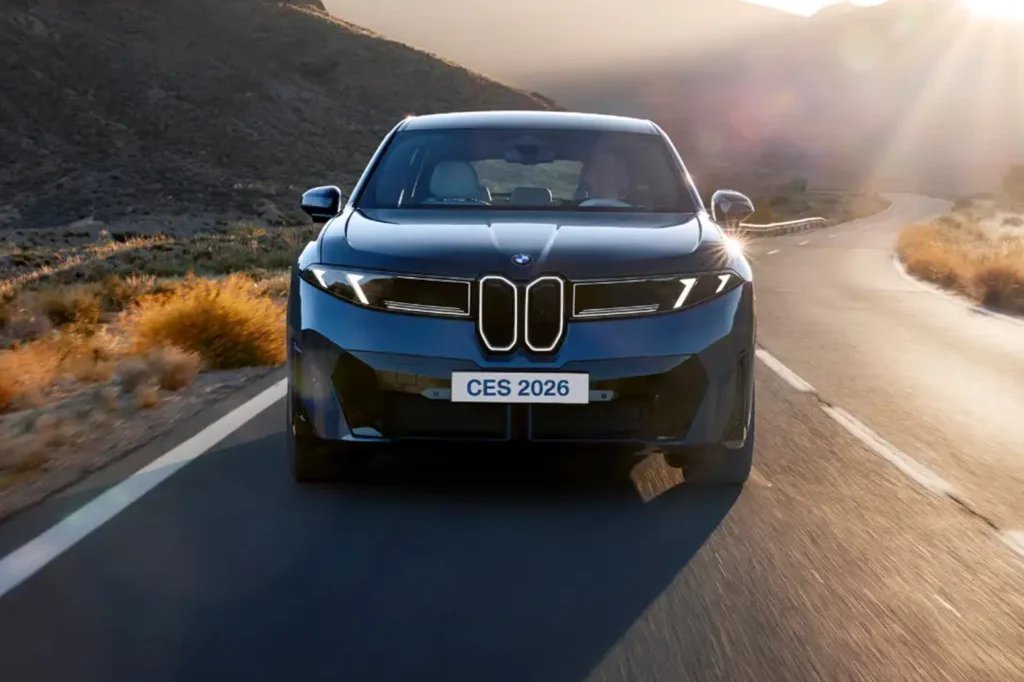
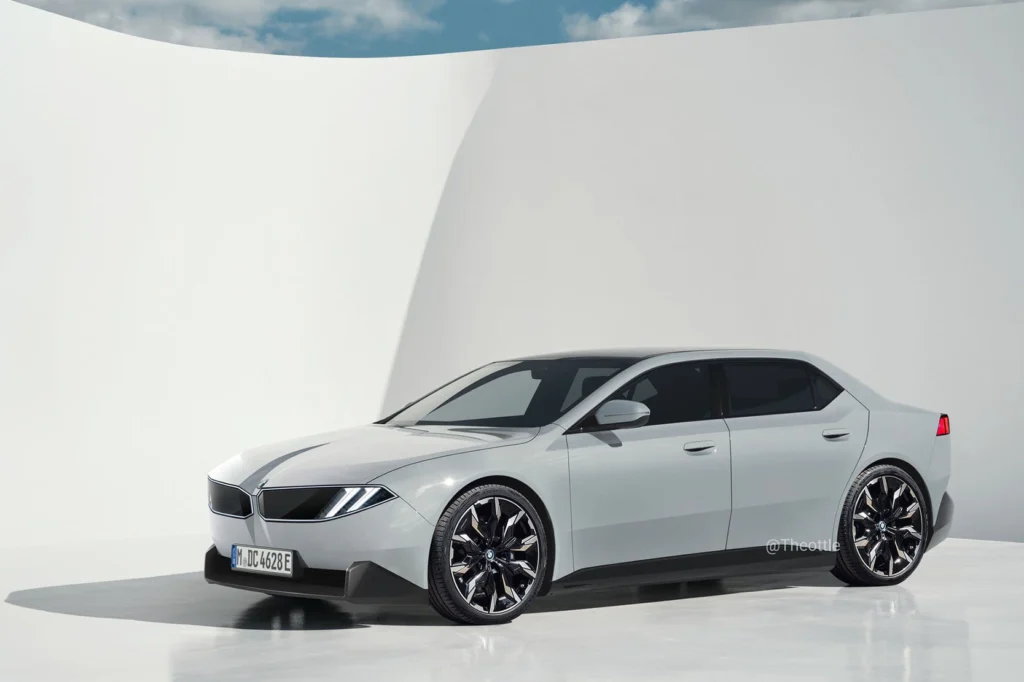
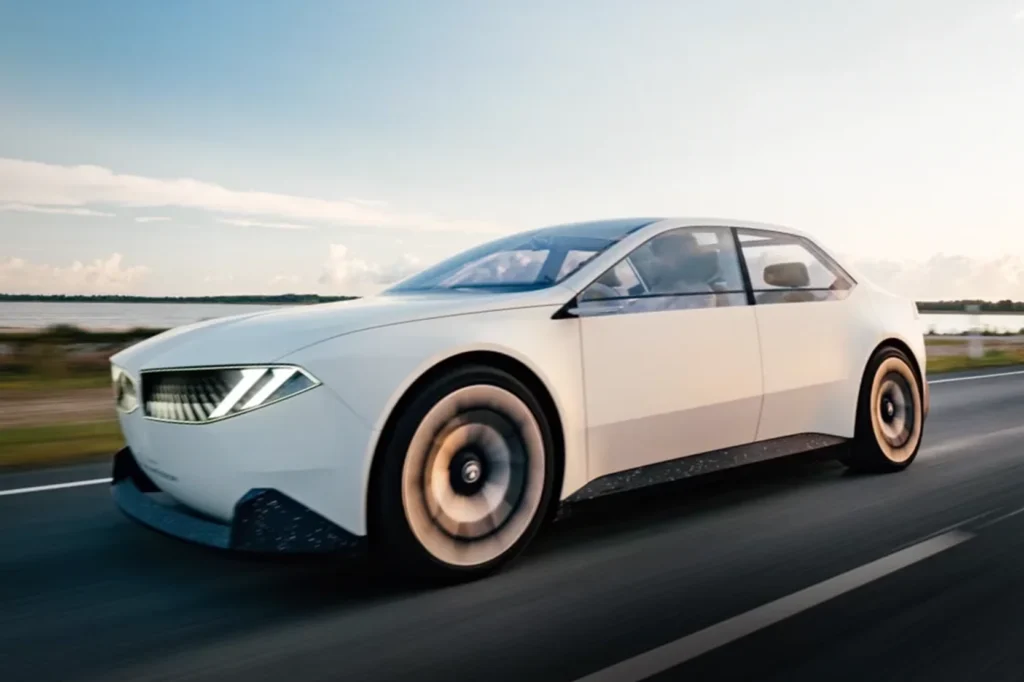
BMW’s 2026 electric cars carry a bold and futuristic design language. The signature kidney grille is now more of a design element than a functional one, giving the cars a unique EV identity. Slim LED headlights and aerodynamic body lines improve both looks and efficiency.
From my observation, BMW has focused heavily on aerodynamics, which directly impacts battery range. Flush door handles, closed-off grilles, and smooth underbody panels reduce drag. The Neue Klasse models will take this even further with a minimalistic yet aggressive stance.

Engine, Performance and Driving Experience
Electric BMWs don’t have traditional engines they use powerful electric motors. The 2026 lineup is expected to deliver 0–100 km/h in 4 to 6 seconds, depending on the model. High-performance versions like M variants will be even faster.
What I personally find impressive is BMW’s ability to retain its driver-focused dynamics. The steering feels precise, acceleration is instant, and weight distribution is well-balanced due to floor-mounted batteries. It still feels like a true BMW, just quieter and smoother.
Mileage and Real-World Fuel Efficiency
In EV terms, mileage means range. BMW electric cars in 2026 are expected to offer:
| Model Type | Expected Range |
|---|---|
| Entry EVs | 400–500 km |
| Mid-range EVs | 500–600 km |
| Premium EVs | 600–700 km |
In real-world Indian driving conditions, expect slightly lower numbers (around 10–15% less). Fast charging can give 100–150 km range in just 10–15 minutes, which is a big advantage.
Interior, Comfort and Seating Quality
Step inside a BMW EV, and you immediately feel the luxury. Premium materials, ambient lighting, and a curved digital display create a modern cabin feel. The Neue Klasse interiors will be even more minimal and tech-focused.
From experience, BMW seats are among the most comfortable in the segment. You get excellent lumbar support, spacious legroom, and silent cabin insulation perfect for long drives. Rear seat comfort in models like i7 is especially impressive.
Features and Latest Technology
BMW is going all-in on tech for 2026. Some standout features include:
- Curved infotainment display with iDrive 9 system
- Voice assistant with AI learning
- Augmented reality navigation
- Over-the-air (OTA) updates
- Gesture controls
What really stands out is how smoothly everything works together. Unlike many cars where tech feels complicated, BMW keeps it intuitive and user-friendly.
Safety Features and Build Quality
BMW has always been strong in safety, and its EVs are no different. Expect:
- Multiple airbags (6–8 standard)
- Advanced driver assistance systems (ADAS)
- Lane keep assist and adaptive cruise control
- Automatic emergency braking
The build quality feels solid and premium. BMW uses high-strength steel and aluminum, ensuring both safety and lightweight efficiency.
Variants, Colours and Customization Options
BMW offers multiple variants depending on performance and features. You can expect:
- Standard, Luxury Line, and M Sport variants
- Dual-tone and metallic color options
- Interior customization (leather, trims, lighting)
Customization is one area where BMW excels. Buyers can truly personalize their car to match their style.
Price, On-Road Cost
Expected pricing in India for BMW electric cars in 2026:
| Model | Expected Price |
|---|---|
| Entry EV | ₹60–70 lakh |
| Mid-range EV | ₹70–90 lakh |
| Premium EV (i7 etc.) | ₹1.5–2 crore |
Most models are either already available or will launch gradually through 2026, especially Neue Klasse vehicles.
Pros and Cons of BMW Electric Car 2026
Pros:
- Premium luxury and brand value
- Excellent driving performance
- Long driving range
- Advanced technology features
- Strong safety standards
Cons:
- High price compared to competitors
- Charging infrastructure still limited in India
- Maintenance can be expensive
Comparison with Main Rivals
BMW EVs compete with:
- Mercedes-Benz EQ series
- Audi e-tron lineup
- Tesla Model S / Model 3
Compared to rivals, BMW offers better driving feel than Mercedes, more luxury than Tesla, and more balanced performance than Audi. It’s a strong all-rounder.
Who Should Buy This Car?
You should consider a BMW electric car if:
- You want a luxury EV with performance
- You prefer premium interiors and comfort
- You value brand reputation
- You drive mostly in urban or highway areas