



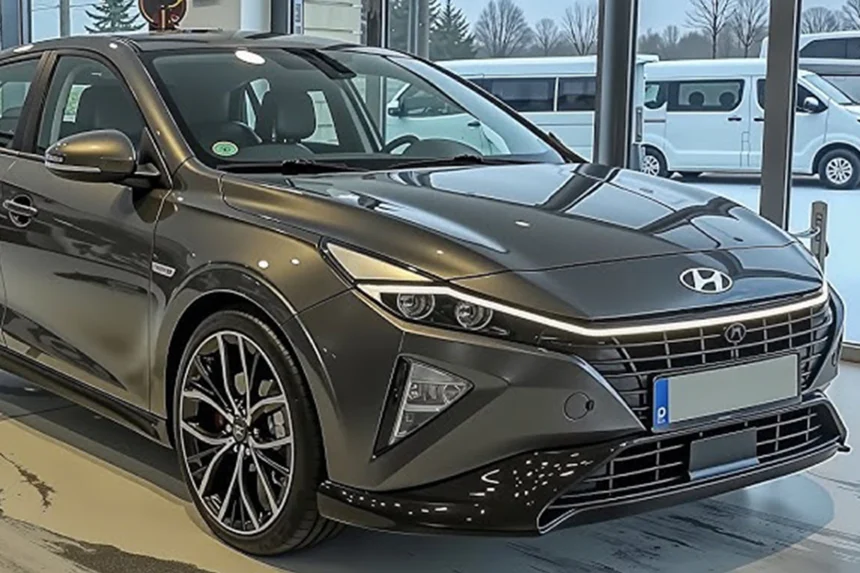
The Hyundai i20 facelift 2026 is expected to bring a sharper design, upgraded connected technology, improved safety features, enhanced fuel efficiency, and refined petrol engine options, making it one of the most attractive premium hatchbacks globally for buyers looking for style, comfort, and modern features in June 2026.
- Hyundai i20 Facelift 2026
- Design and Exterior Looks
- Engine, Performance and Driving Experience
- Mileage and Real-World Fuel Efficiency
- Interior, Comfort and Seating Quality
- Features and Latest Technology
- Safety Features and Build Quality
- Variants, Colours and Customization Options
- Price, On-Road Cost and Expected Launch
- Pros and Cons of Hyundai i20 Facelift 2026
- Comparison with Main Rivals
- Who Should Buy This Car?
- FAQ
Hyundai i20 Facelift 2026
The premium hatchback segment is becoming more competitive every year, and Hyundai i20 is preparing to stay ahead with its upcoming facelift model expected to debut globally in June 2026. Hyundai has always focused strongly on design, technology, and comfort, and the new i20 facelift appears ready to continue that formula with a fresher appearance and smarter features.
Over the years, the Hyundai i20 has built a strong reputation among young buyers, urban families, and highway users who want a stylish yet practical hatchback. The 2026 facelift is expected to improve the overall ownership experience with updated interiors, advanced driver assistance systems, improved infotainment, and better real-world efficiency. For buyers planning to purchase a premium hatchback in 2026, this car will definitely be worth watching.
“Stylish, feature-packed premium hatchback expected to offer excellent comfort, technology, and everyday practicality.”
Automotive Expert
The Hyundai i20 facelift is expected to receive noticeable cosmetic updates, new connected technology, refreshed interiors, and improved safety equipment. Hyundai may continue offering refined petrol engine options with both manual and automatic transmissions for different driving preferences.
This premium hatchback will likely target young professionals, city commuters, and small families looking for a feature-loaded car with stylish looks and practical usability. The new model is expected to compete strongly against rivals like the Maruti Suzuki Baleno, Tata Altroz, and Toyota Glanza globally.
Design and Exterior Looks
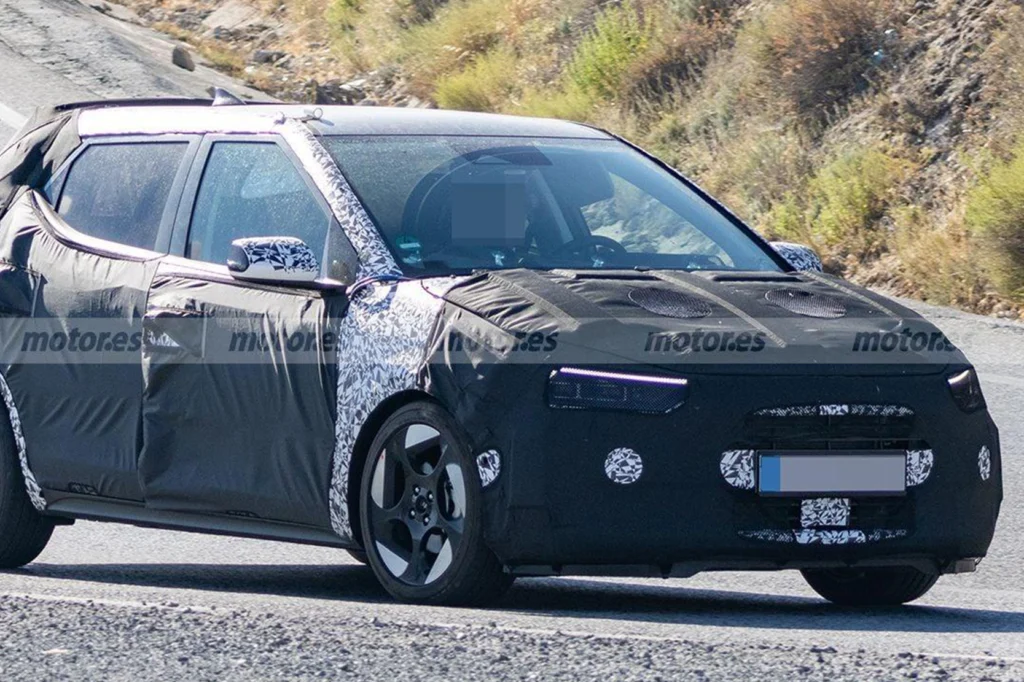
The upcoming Hyundai i20 is expected to receive a more aggressive and futuristic exterior design. Hyundai may redesign the front grille with sharper geometric patterns and slimmer LED headlamps to create a sportier road presence. The front bumper could also get new air intake designs for a more premium appearance.

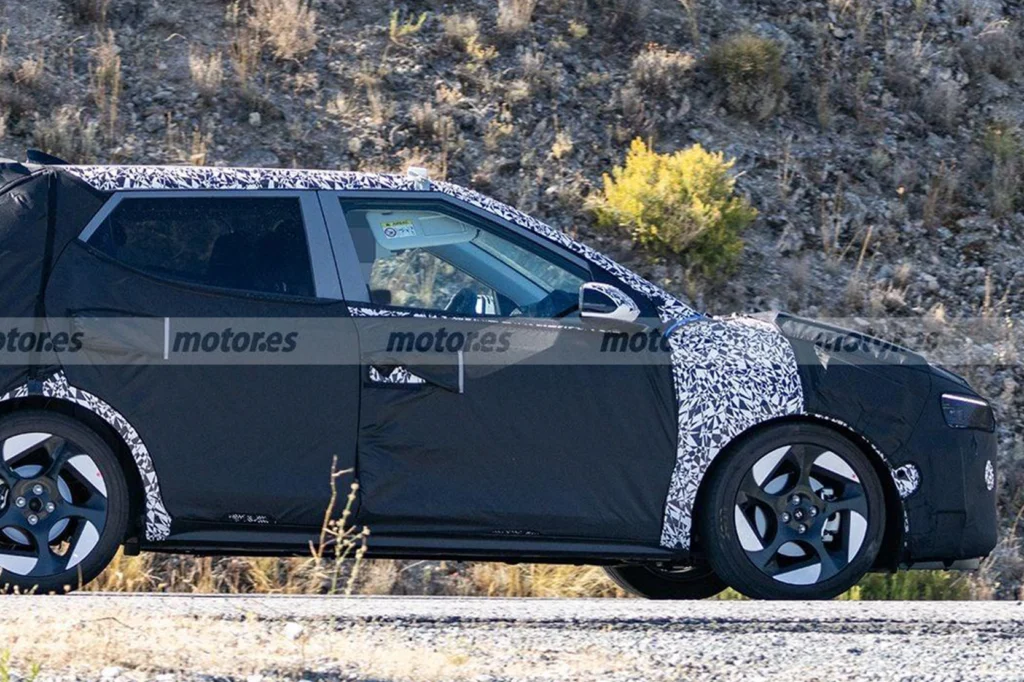
From the side profile, the car is likely to retain its sporty silhouette while receiving newly designed alloy wheels and updated character lines. Hyundai has always focused heavily on youthful styling, and the facelift may continue appealing to buyers who want a hatchback that stands out in traffic.
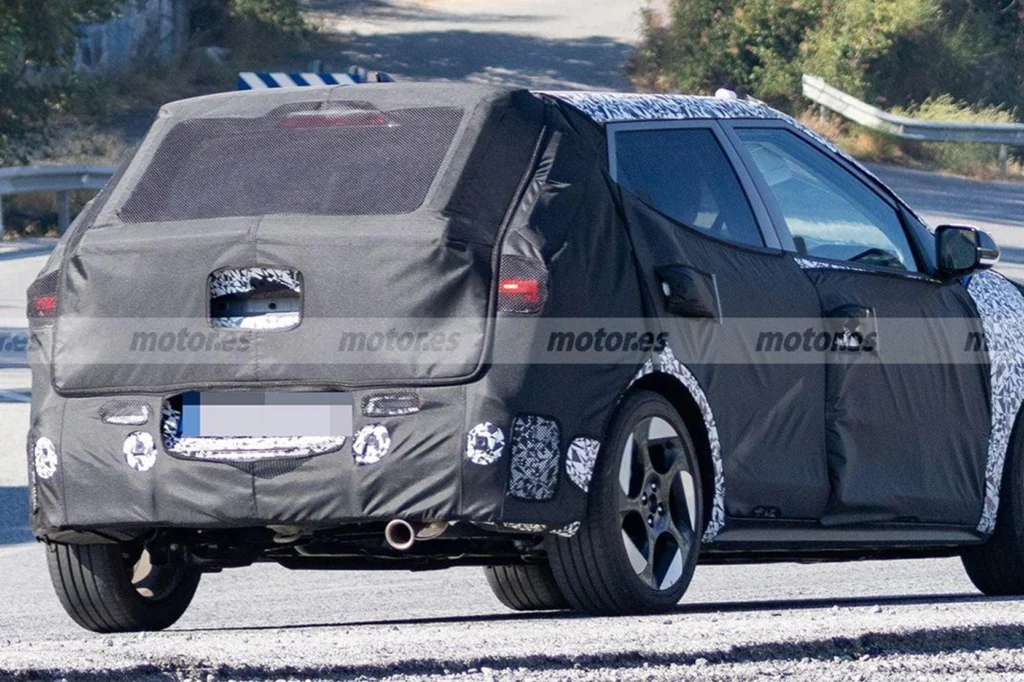
At the rear, connected LED tail lamps, revised bumpers, and refreshed lighting signatures are expected. The facelift could also introduce new dual-tone paint schemes and sporty cosmetic packages for younger customers who prefer personalization.
Engine, Performance and Driving Experience
The Hyundai i20 is expected to continue using refined petrol engines tuned for smooth city and highway driving. Hyundai may offer both naturally aspirated and turbo-petrol options depending on the market.
Expected Engine Options:
| Engine Type | Expected Power | Transmission Options |
|---|---|---|
| 1.2L Petrol | Around 83 PS | Manual / CVT |
| 1.0L Turbo Petrol | Around 120 PS | DCT Automatic |
In real-world driving, the i20 has always been known for its light steering, smooth suspension, and comfortable high-speed stability. The 2026 facelift is expected to improve ride quality further with better cabin insulation and suspension tuning.
For urban traffic conditions, the automatic gearbox should offer effortless driving, while the turbo engine may appeal to enthusiasts looking for stronger acceleration and sporty performance.
Mileage and Real-World Fuel Efficiency
Fuel efficiency remains an important factor for hatchback buyers worldwide, and Hyundai is expected to improve the i20’s mileage figures with better engine tuning and lightweight updates.
Expected Fuel Efficiency:
- 1.2L Petrol Manual: 18–20 km/l
- CVT Automatic: 17–19 km/l
- Turbo Petrol DCT: 18–21 km/l
In real-world usage, mileage will depend on driving habits, traffic conditions, and climate. During city driving with heavy traffic, buyers may experience lower figures, while highway cruising can deliver significantly better efficiency.
The turbo-petrol engine is expected to balance performance and economy surprisingly well, especially during long-distance highway drives.
Interior, Comfort and Seating Quality
Inside the cabin, the Hyundai i20 facelift is expected to receive a more premium dashboard layout with improved materials and soft-touch surfaces. Hyundai has consistently delivered segment-leading interiors, and the facelift may further improve cabin ambience.
The seats are expected to offer excellent cushioning and long-distance comfort. Rear-seat passengers may continue enjoying generous legroom and headroom, making the i20 one of the most spacious premium hatchbacks in its class.
Hyundai may also improve cabin practicality with:
- Larger storage spaces
- Better wireless charging placement
- Enhanced rear AC vents
- Improved boot management solutions
Noise insulation could also improve, making highway journeys quieter and more comfortable than before.
Features and Latest Technology
The new Hyundai i20 is expected to focus heavily on connected car technology and smart convenience features.
Expected Feature Highlights:
- Larger touchscreen infotainment system
- Wireless Android Auto and Apple CarPlay
- Fully digital instrument cluster
- Connected car technology
- OTA software updates
- Premium Bose sound system
- Ventilated front seats
- Wireless phone charging
- Ambient lighting
- 360-degree camera
Hyundai may also introduce AI-based voice commands and enhanced smartphone connectivity for a more modern user experience.
The infotainment interface is expected to become smoother and faster, improving overall usability during everyday driving.
Safety Features and Build Quality
Safety has become a major buying factor globally, and Hyundai is expected to significantly improve safety technology in the facelifted i20.
Expected Safety Features:
- 6 airbags
- Electronic Stability Control (ESC)
- ABS with EBD
- Hill-start assist
- Rear parking sensors
- Front parking sensors
- 360-degree camera
- ISOFIX child seat mounts
- Advanced Driver Assistance Systems (ADAS)
The facelift may also receive structural improvements for better crash protection and passenger safety.
Expected ADAS Features:
- Lane keep assist
- Forward collision warning
- Autonomous emergency braking
- Adaptive cruise control
These upgrades could make the i20 one of the safest premium hatchbacks in its category.
Variants, Colours and Customization Options
Hyundai is expected to offer multiple trims to suit different budgets and feature requirements.
Expected Variants:
- Era
- Magna
- Sportz
- Asta
- Asta (O)
- N Line variant
Expected Colour Options:
- Polar White
- Titan Grey
- Fiery Red
- Starry Black
- Dual-tone Red Black
- Blue Black combination
The sporty N Line version may continue targeting performance-focused young buyers with cosmetic enhancements and sportier tuning.
Price, On-Road Cost and Expected Launch
The global debut of the Hyundai i20 is expected in June 2026, with market launches likely beginning shortly afterward in various countries.
Expected Price Range:
| Variant Type | Expected Starting Price |
|---|---|
| Base Variant | $14,000 – $16,000 |
| Mid Variant | $17,000 – $19,000 |
| Top Variant | $20,000 – $23,000 |
Expected Indian pricing could range between ₹7.8 lakh to ₹13 lakh ex-showroom depending on engine and variant options.
On-road prices may vary depending on taxes, insurance, registration, and optional accessories.
Pros and Cons of Hyundai i20 Facelift 2026
Pros
- Stylish and sporty exterior design
- Premium and spacious interior
- Advanced connected technology
- Smooth petrol engine options
- Comfortable highway ride quality
- Feature-rich cabin
- Strong brand reliability
Cons
- Expected higher pricing than rivals
- Turbo variants may be expensive
- Some buyers may prefer stronger diesel options
- Rear visibility could remain slightly limited
Comparison with Main Rivals
| Model | Strong Point |
|---|---|
| Maruti Suzuki Baleno | Better fuel efficiency |
| Tata Altroz | Strong safety reputation |
| Toyota Glanza | Reliable ownership experience |
| Honda Jazz | Spacious practicality |
The Hyundai i20 facelift is expected to stand out mainly because of its modern design, premium interior quality, and advanced technology package.
Who Should Buy This Car?
The Hyundai i20 could be an excellent choice for:
- Young professionals
- Small urban families
- Daily city commuters
- Buyers upgrading from entry-level hatchbacks
- Technology-focused customers
- Highway travelers wanting comfort
Buyers looking for a premium hatchback with strong design appeal and modern features may find the i20 highly attractive.


