



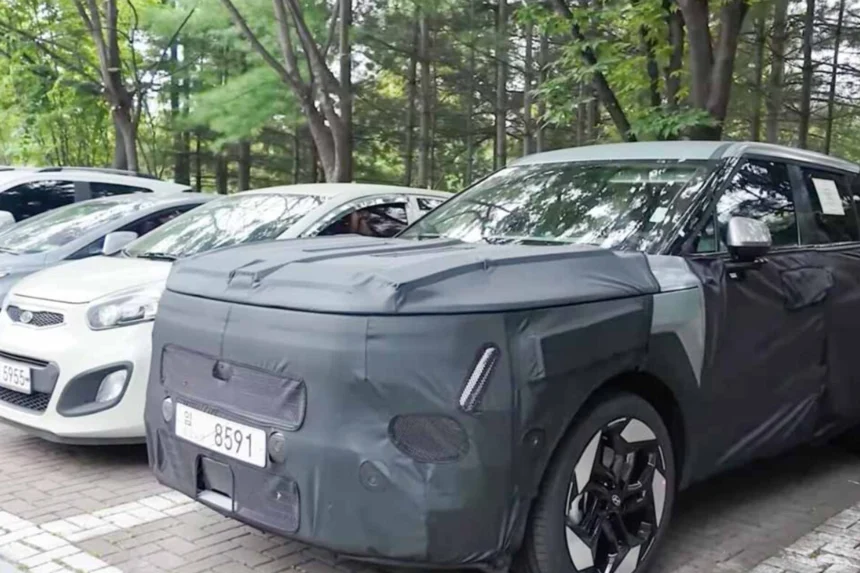
The Hyundai Tucson Facelift is expected to launch in India around Last 2026 or Starting 2027 with upgraded hybrid technology, refreshed design, improved interiors, and advanced safety features making it a strong premium SUV contender in its segment.
- Overview of Hyundai Tucson Facelift
- Design and Exterior Looks
- Engine, Performance and Driving Experience
- Mileage and Real-World Fuel Efficiency
- Interior, Comfort and Seating Quality
- Features and Latest Technology
- Safety Features and Build Quality
- Variants, Colours and Customization Options
- Price, On-Road Cost and Expected Launch
- Pros and Cons of Hyundai Tucson Facelift
- Comparison with Main Rivals
- Who Should Buy This Car?
- FAQ
“Premium SUV with hybrid efficiency, futuristic tech, and refined driving experience.”
Automotive Expert
Overview of Hyundai Tucson Facelift
The Hyundai Tucson Facelift 2026 brings a refreshed design, upgraded interiors, and introduces hybrid powertrain options globally, expected to arrive in India. It will likely retain its premium SUV positioning with enhanced fuel efficiency, better driving dynamics, and cutting-edge features like ADAS, panoramic display, and connected tech. Hyundai aims to compete strongly in the mid-size premium SUV segment by improving comfort, safety, and technology. With rising demand for hybrid SUVs in India, the Tucson facelift could become a smart alternative to diesel-heavy rivals, offering a balance of performance, refinement, and eco-friendly driving.
Design and Exterior Looks
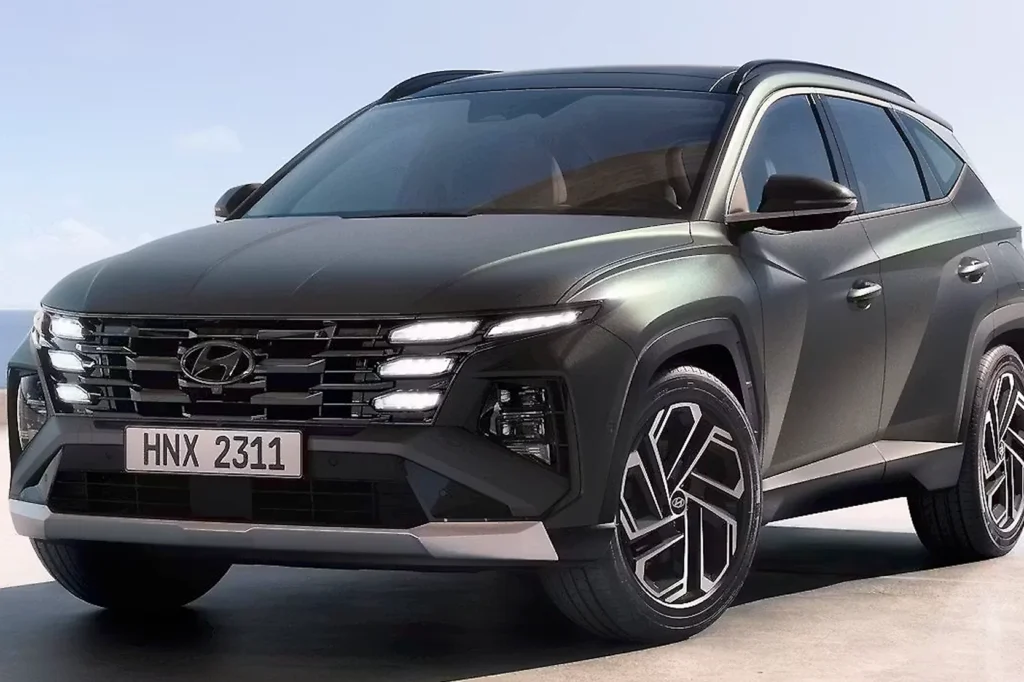
The facelifted Tucson gets a sharper and more futuristic look. Hyundai has refined its parametric grille design, integrating LED DRLs more seamlessly. The front now looks wider and more premium, giving it a strong road presence.
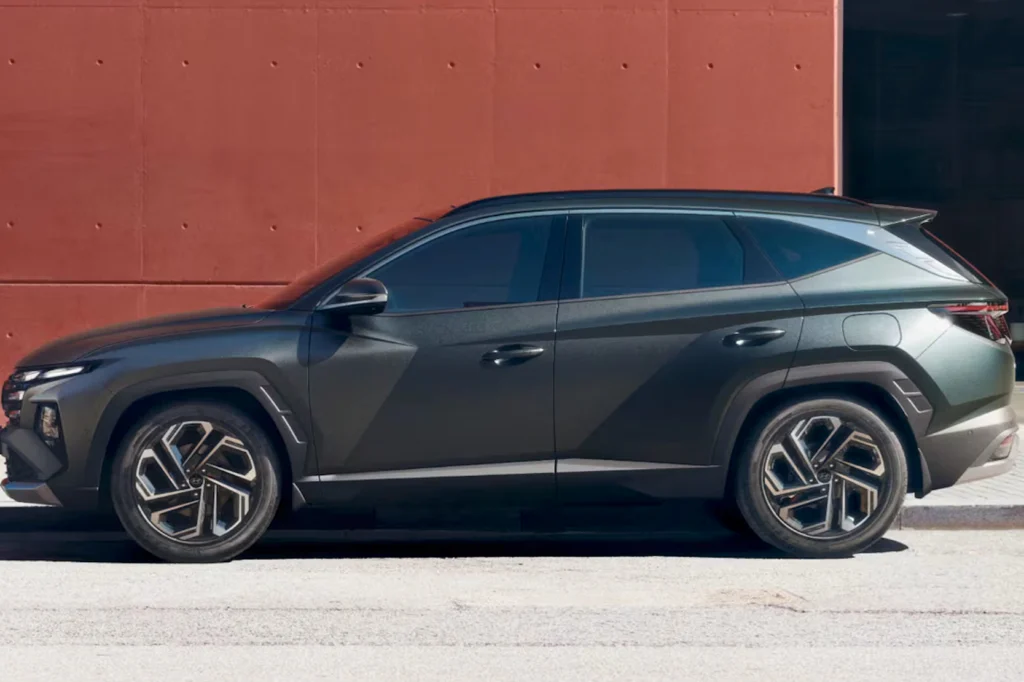
From the side, the SUV maintains its bold stance but adds new alloy wheel designs. The rear gets updated LED tail lamps and a cleaner bumper design. Overall, it feels more mature and upscale—perfect for buyers upgrading from compact SUVs.

Engine, Performance and Driving Experience
Globally, the Tucson facelift offers petrol, diesel, and hybrid engines, but for India, the highlight will likely be the hybrid option. Expect a 1.6L turbo petrol hybrid engine producing a balanced mix of power and efficiency.
In real driving conditions, Tucson has always been known for its smooth ride quality. The facelift should improve further with better suspension tuning. It’s not a hardcore performance SUV, but for city and highway use, it delivers a refined and stress-free experience.
Mileage and Real-World Fuel Efficiency
This is where the facelift makes a big difference. The hybrid version could deliver around:
- 18–20 km/l (real-world estimate)
- Higher efficiency in city traffic due to electric assist
Compared to older petrol versions, this is a major improvement. If you drive daily in traffic-heavy cities like Lucknow or Delhi, the hybrid system will save fuel significantly.
Interior, Comfort and Seating Quality
Step inside, and you’ll notice a major upgrade. The Tucson facelift is expected to feature a dual panoramic curved display, giving it a modern luxury feel similar to premium European cars.
The seats are wide, supportive, and perfect for long drives. Rear seat comfort is excellent, with good legroom and reclining options. From my experience, Tucson already excels in comfort—and this version improves it further with better materials and ergonomics.
Features and Latest Technology
Hyundai is known for loading its cars with features, and the Tucson facelift continues that trend:
- Dual-screen infotainment system
- Wireless Android Auto & Apple CarPlay
- Panoramic sunroof
- Ventilated and heated seats
- 360-degree camera
- Connected car tech
The UI is expected to be smoother and more intuitive. This makes it one of the most tech-loaded SUVs in its segment.
Safety Features and Build Quality
Safety is a big focus in the facelift. Expect:
- ADAS Level 2 features
- Multiple airbags (6–8 expected)
- Lane keep assist
- Adaptive cruise control
- Blind spot monitoring
Hyundai has improved build quality in recent years, and Tucson already feels solid. This update should further enhance structural safety and crash protection.
Variants, Colours and Customization Options
Variants:
- Base petrol/diesel
- Mid variant with features
- Top hybrid variant
Colours (expected):
- White, Black, Silver
- Deep Blue, Grey
- Dual-tone options
Customization will mainly be through accessories like alloy wheels, seat covers, and tech add-ons.
Price, On-Road Cost and Expected Launch
- Expected Ex-showroom Price: ₹30 – ₹38 lakh
- On-road Price: ₹34 – ₹43 lakh (approx.)
- Expected Launch: Last 2026 or Starting 2027
Considering hybrid tech and features, pricing seems competitive against rivals.
Pros and Cons of Hyundai Tucson Facelift
✔ Pros
- Hybrid engine improves mileage
- Premium and futuristic design
- Loaded with advanced features
- Excellent ride comfort
- Strong safety package
✖ Cons
- Expensive compared to some rivals
- Hybrid may be limited to top variant
- Not a sporty SUV
- Service cost could be higher
Comparison with Main Rivals
The Tucson facelift will compete with:
- Jeep Compass – Better off-road, less tech
- Toyota Fortuner – More powerful, but less feature-rich
- Volkswagen Tiguan – Strong build, but expensive
Tucson stands out for features + hybrid efficiency, making it more future-ready.
Who Should Buy This Car?
You should consider the Tucson facelift if you:
- Want a premium family SUV
- Prefer comfort over aggressive performance
- Drive mostly in city + highway
- Want latest tech and hybrid efficiency
- Upgrade from Creta, Seltos, or Harrier