



The motorcycle safety tips is to wear proper safety gear, stay alert, follow traffic rules, maintain your bike regularly, and ride defensively to anticipate and avoid potential hazards on the road.
- Overview of Motorcycle Safety Tips
- Wear Proper Safety Gear Every Time
- Inspect Your Motorcycle Before Riding
- Follow Traffic Rules and Speed Limits
- Ride Defensively and Stay Alert
- Maintain Proper Riding Posture and Balance
- Stay Visible to Other Drivers
- Avoid Distractions While Riding
- Be Careful in Bad Weather Conditions
- Don’t Ride Under the Influence
- Pros and Cons of Motorcycle Riding Safety Awareness
- Comparison: Safe Rider vs Risky Rider
- Who Should Follow These Tips?
- FAQ
Riding a motorcycle is one of the most thrilling experiences on the road. The freedom, speed, and connection with your surroundings make it truly unique. But along with that excitement comes responsibility. Motorcycle riding also carries higher risks compared to cars, which is why motorcycle safety tips are extremely important for every rider beginner or experienced.
From my personal riding experience and years of observing road behavior, I can say that most accidents can be avoided with the right mindset and preparation. This guide will walk you through simple, practical, and life-saving tips on how to safely ride a motorcycle, explained in easy language so anyone can follow.
“Safe riding depends more on awareness and discipline than riding skill alone.”
Automotive Expert
Overview of Motorcycle Safety Tips
Motorcycle safety is all about awareness, preparation, and smart riding habits. Wearing proper gear like helmets and jackets, maintaining your bike, and following traffic rules can significantly reduce risks. Defensive riding, keeping safe distance, and staying visible to other drivers are crucial for avoiding accidents. Riders should also adapt to road and weather conditions and avoid distractions like mobile phones. Whether you’re commuting daily or riding long distances, practicing these safety tips ensures a smoother and safer journey. With the right approach, you can enjoy the thrill of riding while minimizing dangers on the road.
Wear Proper Safety Gear Every Time
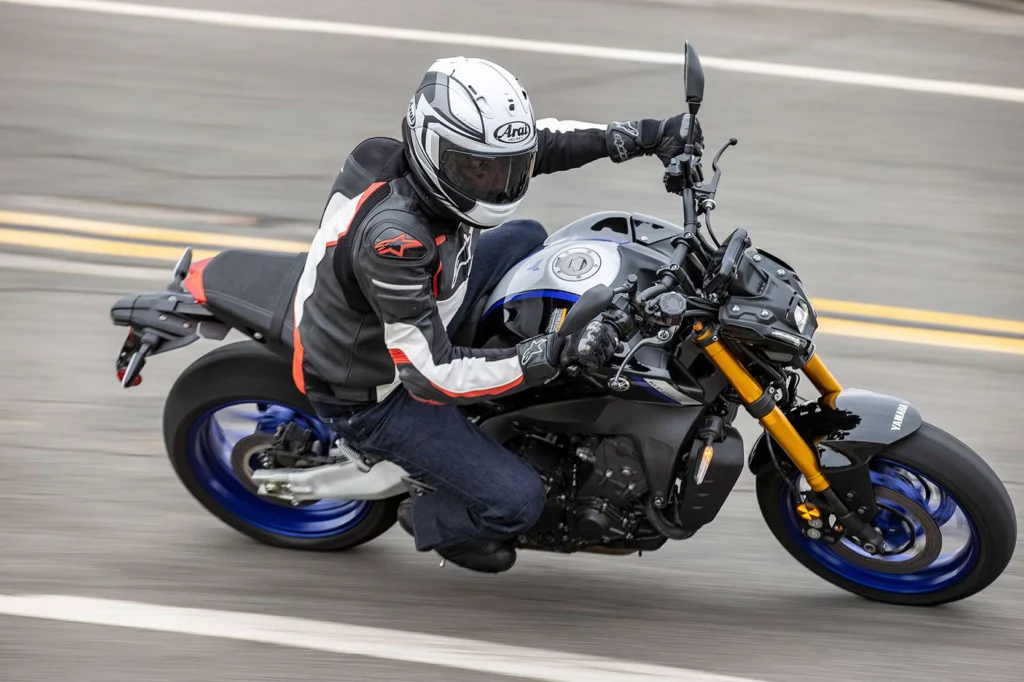
One of the most important motorcycle safety tips is wearing the right gear. Never compromise on safety equipment, even for short rides.
Always wear:
Related Blogs & News

- A certified full-face helmet
- Riding gloves
- Protective jacket
- Knee and elbow guards
- Sturdy shoes or riding boots
From experience, a good helmet alone can save your life in serious situations. Think of gear as your first line of defense, not an optional accessory.
Inspect Your Motorcycle Before Riding
Before you start your ride, take a minute to check your bike. This simple habit can prevent unexpected breakdowns or accidents.
Quick checklist:
- Brakes working properly
- Tyre pressure and condition
- Lights and indicators functioning
- Fuel level
- Chain and engine condition
A well-maintained motorcycle gives you better control and confidence on the road.
Follow Traffic Rules and Speed Limits
Traffic rules exist for a reason. Ignoring them increases your chances of accidents.
Always:
- Follow speed limits
- Obey traffic signals
- Avoid rash riding
- Use indicators properly
Speeding might feel exciting, but it reduces reaction time. Riding within limits gives you more control and keeps you safe.
Ride Defensively and Stay Alert
Defensive riding means assuming that others on the road may make mistakes.
Key defensive riding tips:
- Keep a safe distance from vehicles
- Watch for sudden lane changes
- Be cautious at intersections
- Always scan the road ahead
In my experience, staying alert and expecting the unexpected is what separates safe riders from risky ones.
Maintain Proper Riding Posture and Balance
Your riding posture directly affects control and comfort.
Tips for better posture:
- Keep your back straight
- Relax your arms and shoulders
- Hold the handlebar firmly but not tightly
- Keep your feet properly on footpegs
A balanced posture helps you handle sudden situations more effectively.
Stay Visible to Other Drivers
Many motorcycle accidents happen because other drivers fail to notice riders.
To stay visible:
- Use headlights even during the day
- Wear bright or reflective clothing
- Avoid riding in blind spots
- Use indicators clearly
Visibility is a major safety factor, especially in heavy traffic or at night.
Avoid Distractions While Riding
Distractions can be deadly when riding a motorcycle.
Avoid:
- Using mobile phones
- Listening to loud music
- Talking excessively with pillion riders
Even a few seconds of distraction can lead to serious accidents. Always stay focused on the road.
Be Careful in Bad Weather Conditions
Rain, fog, and poor road conditions can make riding dangerous.
Tips for bad weather:
- Slow down your speed
- Avoid sudden braking
- Use proper tyres
- Increase following distance
Wet roads reduce tyre grip, so ride cautiously and smoothly.
Don’t Ride Under the Influence
This is one of the most critical safety rules.
Never ride:
- After drinking alcohol
- Under the influence of drugs
- When extremely tired
Your reaction time and judgment get affected, increasing accident risk significantly.
Pros and Cons of Motorcycle Riding Safety Awareness
Pros
- Reduces accident risk
- Improves confidence
- Better control over bike
- Safer riding experience
Cons
- Requires discipline
- Safety gear can feel uncomfortable initially
- Takes time to build good habits
Comparison: Safe Rider vs Risky Rider
| Safe Rider | Risky Rider |
|---|---|
| Wears full gear | Avoids helmet |
| Follows rules | Breaks signals |
| Rides defensively | Rides aggressively |
| Maintains bike | Ignores maintenance |
This comparison clearly shows how habits impact safety.
Who Should Follow These Tips?
- Beginner riders learning basics
- Daily commuters
- Long-distance riders
- Delivery riders
- Even experienced bikers
Safety is not optional—it’s essential for everyone.


