



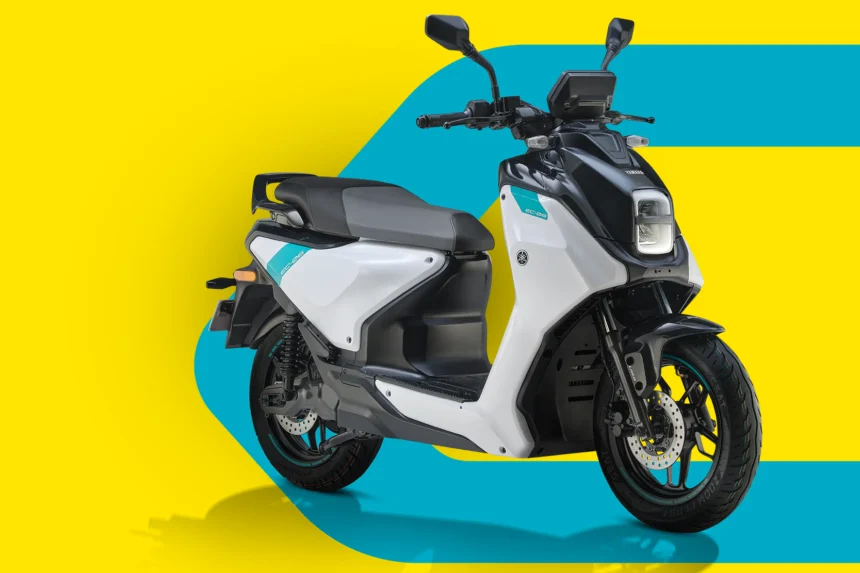
The Yamaha EC-06 is expected to be Yamaha’s first proper high-performance electric motorcycle concept, focusing on sporty design, quick acceleration, premium build quality, and urban-friendly electric mobility positioned to rival upcoming electric bikes from KTM, Ultraviolette, and Tork.
- Why Yamaha EC-06 Is Creating Buzz
- Design and Exterior Looks
- Engine, Performance and Riding Experience
- Mileage and Real-World Fuel Efficiency
- Ergonomics, Comfort and Riding Position
- Features and Latest Technology
- Safety Features and Build Quality
- Variants, Colours and Customization Options
- Price, On-Road Cost and Expected Launch
- Pros and Cons of Yamaha EC-06
- Comparison with Main Rivals
- Who Should Buy This Bike?
- Is It Worth Buying or Waiting?
- FAQ
Why Yamaha EC-06 Is Creating Buzz
The Yamaha EC-06 electric motorcycle has quietly become one of the most talked-about upcoming electric bikes among enthusiasts and industry watchers. Yamaha is known for its reliable engines, refined riding dynamics, and racing DNA so when the brand hints at an electric motorcycle, expectations naturally go sky-high.
With the global shift toward EVs and stricter emission norms, Yamaha EC-06 represents a major strategic move. It’s not just about going electric; it’s about proving that electric motorcycles can still feel exciting, premium, and rider-focused, just like Yamaha’s petrol bikes.
“Yamaha EC-06 feels like a serious electric bike, not a compromise or experiment.“
Automotive Expert
Design and Exterior Looks
The Yamaha EC-06 has a modern, aggressive naked-bike stance. Sharp body panels, exposed frame elements, and a muscular tank-like battery cover give it a sporty streetfighter look. It clearly takes inspiration from Yamaha’s MT series.

LED lighting is used throughout, including a sleek LED headlamp and minimalistic tail section. The short wheelbase and compact design suggest easy maneuverability in city traffic.
Overall, the EC-06 looks premium and futuristic without going overboard something Yamaha usually does very well.
Engine, Performance and Riding Experience
Since it’s an electric bike, the Yamaha EC-06 uses a battery-powered electric motor instead of a petrol engine. Yamaha is expected to focus on smooth power delivery rather than outright top speed.
Electric torque means instant acceleration, especially useful in city riding. Expect quick off-the-line performance and silent operation.
Yamaha’s expertise in chassis tuning should deliver a balanced ride with good stability, making the EC-06 enjoyable for both new and experienced riders.
Mileage and Real-World Fuel Efficiency
For electric bikes, mileage translates to range per charge. While Yamaha hasn’t officially revealed numbers, experts expect:
- City range: 120–150 km (estimated)
- Real-world mixed riding: 90–120 km
Efficiency will depend on riding style, road conditions, and riding mode. Yamaha typically prioritizes consistent real-world performance rather than exaggerated claims.
Ergonomics, Comfort and Riding Position
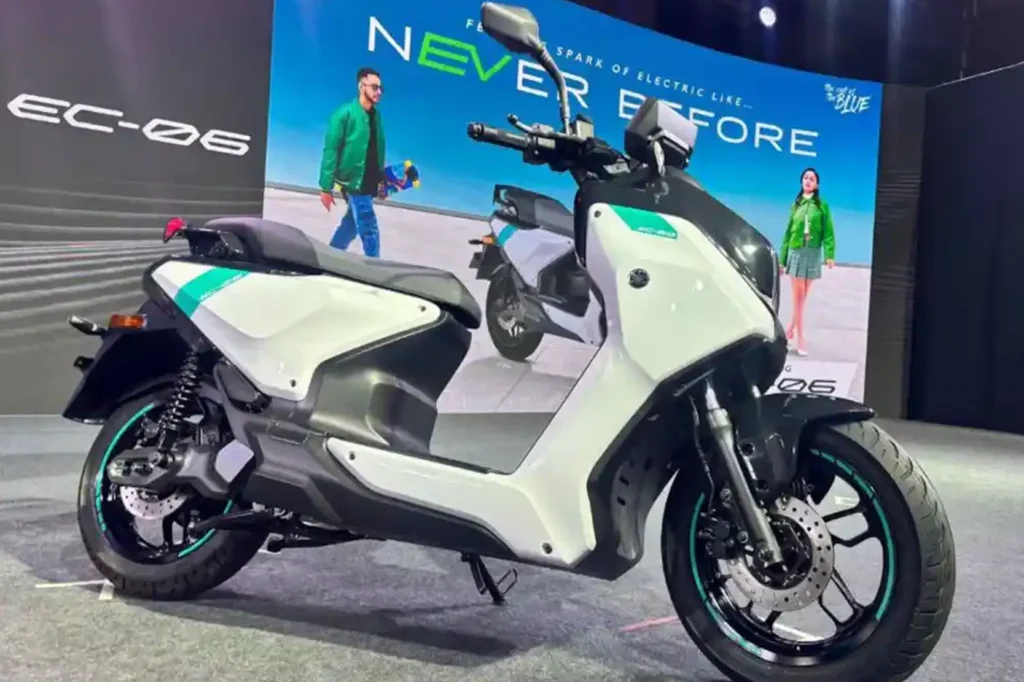
The Yamaha EC-06 appears to offer a slightly sporty but comfortable riding posture. The upright handlebar and mid-set footpegs balance comfort and control.
Seat height looks accessible for average-height riders, making it beginner-friendly. The seat cushioning seems firm but supportive ideal for daily commuting.
Overall ergonomics suggest this bike is designed for urban use with occasional spirited riding.
Features and Latest Technology
Expected features on Yamaha EC-06 may include:
- Full digital TFT instrument cluster
- Smartphone connectivity
- Multiple riding modes
- Regenerative braking
- Fast-charging support
Yamaha is also likely to include advanced motor control software for smoother acceleration and better efficiency.
Technology on EC-06 will likely focus on practical usefulness rather than gimmicks.
Safety Features and Build Quality
Safety is where Yamaha traditionally excels. The EC-06 is expected to feature:
- Dual-channel ABS
- Strong disc brakes
- High-quality suspension components
- Rigid lightweight frame
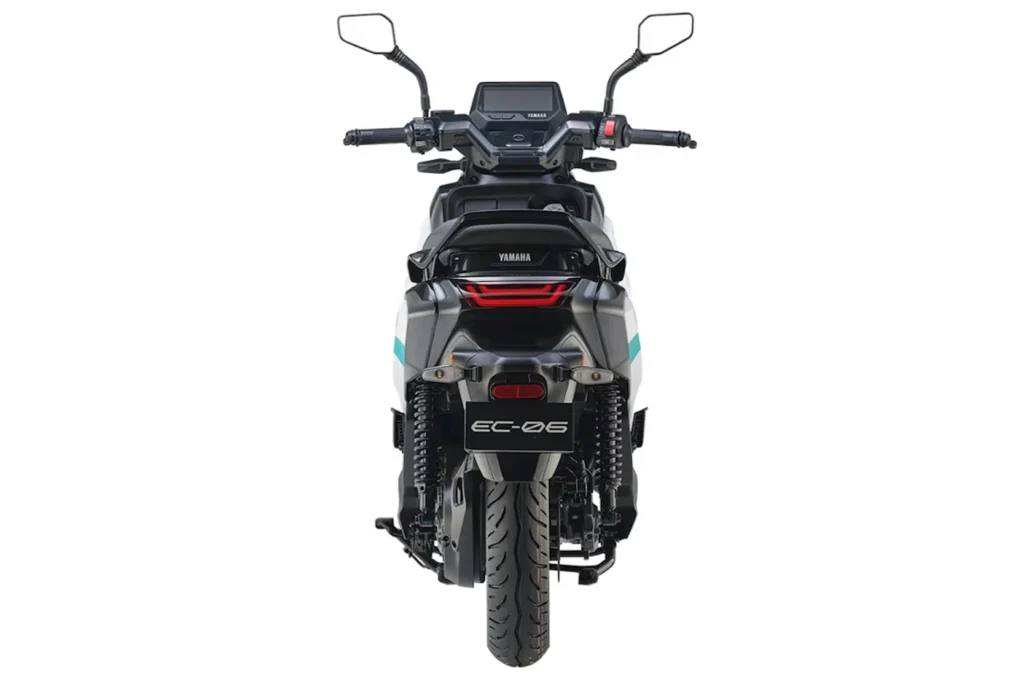
Build quality appears premium, with clean welds, durable panels, and attention to detail. Yamaha bikes are known for long-term reliability, and EC-06 should follow that legacy.
Variants, Colours and Customization Options
As a concept, Yamaha EC-06 hasn’t confirmed variants yet. However, production models may offer:
- Standard and performance variants
- Multiple riding modes
- Custom color options
- Optional accessories like flyscreens or seat upgrades
Yamaha may also offer official customization kits for styling and comfort.
Price, On-Road Cost and Expected Launch
Expected pricing (if launched in India):
| Item | Estimated Cost |
|---|---|
| Ex-showroom Price | ₹4–6 lakh |
| On-road Price | ₹4.5–6.8 lakh |
Expected launch timeline: Late 2026 or early 2027
Yamaha is likely to test global markets before full-scale production.
Pros and Cons of Yamaha EC-06
Pros
- Premium Yamaha design and build
- Smooth electric performance
- Sporty yet practical ergonomics
- Strong brand reliability
Cons
- Expected high price
- Limited charging infrastructure
- Not officially confirmed for India yet
Comparison with Main Rivals
| Bike | Key Difference |
|---|---|
| Ultraviolette F77 | More aggressive performance |
| KTM Electric (Upcoming) | Sharper track focus |
| Tork Kratos R | More affordable but less premium |
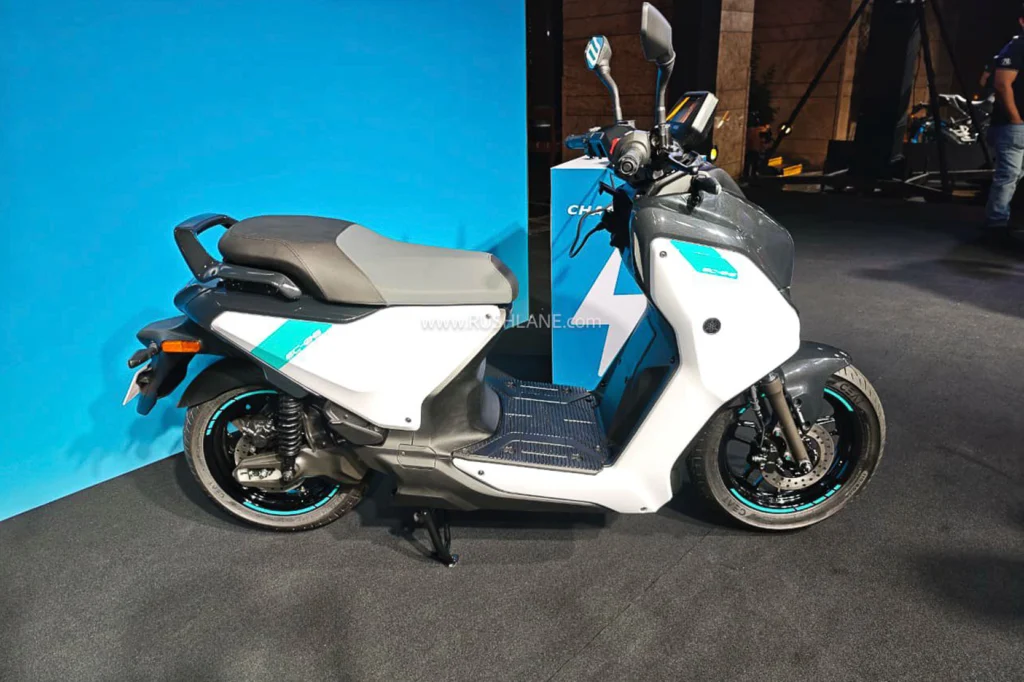
EC-06 focuses more on balanced performance and refinement.
Who Should Buy This Bike?
Yamaha EC-06 is ideal for:
- Urban riders wanting premium electric bikes
- Yamaha brand loyalists
- Riders upgrading from 150–300cc petrol bikes
- Enthusiasts wanting performance with zero emissions
Not ideal for long-distance touring lovers.
Is It Worth Buying or Waiting?
If Yamaha launches EC-06 with the promised quality and performance, it could become a benchmark electric motorcycle. It’s definitely worth waiting for if you want a refined, sporty EV from a trusted brand.
However, final judgment depends on pricing and charging support.


