



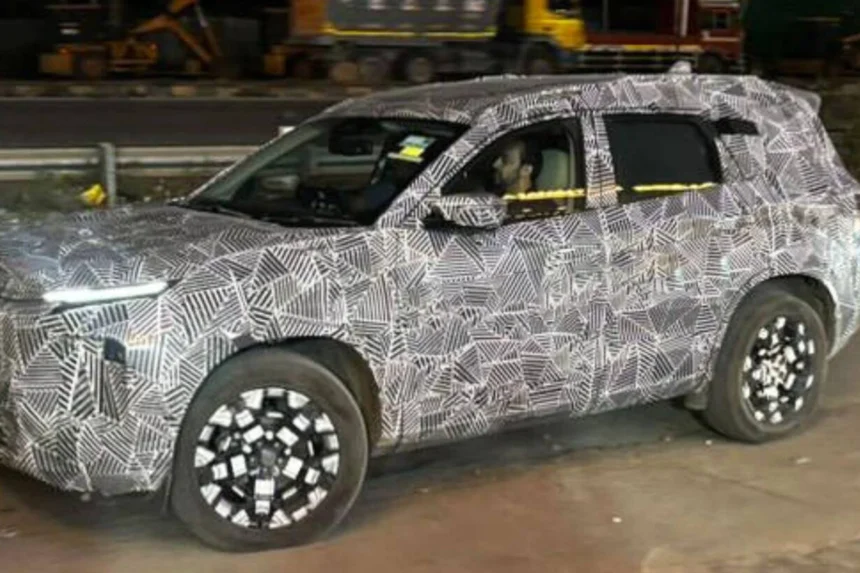
The Tata Safari EV 2026 is expected to debut by late 2026 with an estimated range of 500–600 km per charge, a price between ₹28–35 lakh, AWD option, premium features, and advanced safety tech making it one of India’s most awaited electric SUVs.
- Design and Exterior Looks
- Engine, Performance and Driving Experience
- Mileage and Real-World Fuel Efficiency
- Interior, Comfort and Seating Quality
- Features and Latest Technology
- Safety Features and Build Quality
- Variants, Colours and Customization Options
- Price, On-Road Cost and Expected Launch (if upcoming)
- Pros and Cons of Tata Safari EV 2026
- Comparison with Main Rivals (short and practical)
- Who Should Buy This Car?
- FAQ
The Tata Safari EV 2026 Upcoming Debut Range, Price & Feature Expectations is already creating massive buzz in the Indian automobile market. With EV adoption growing rapidly and fuel prices constantly rising, buyers are actively looking for premium electric SUVs that offer both performance and practicality and this is exactly where the Safari EV fits in.
Having closely followed Tata’s EV journey from Nexon EV to Harrier EV concepts it’s clear that Tata Motors is preparing something big. The Safari EV is expected to combine rugged SUV DNA, advanced electric technology, and premium comfort, making it a strong contender in the next-gen EV segment.
“Promising premium electric SUV with strong range, space, safety, and future-ready features.”
Automotive Expert
Design and Exterior Looks
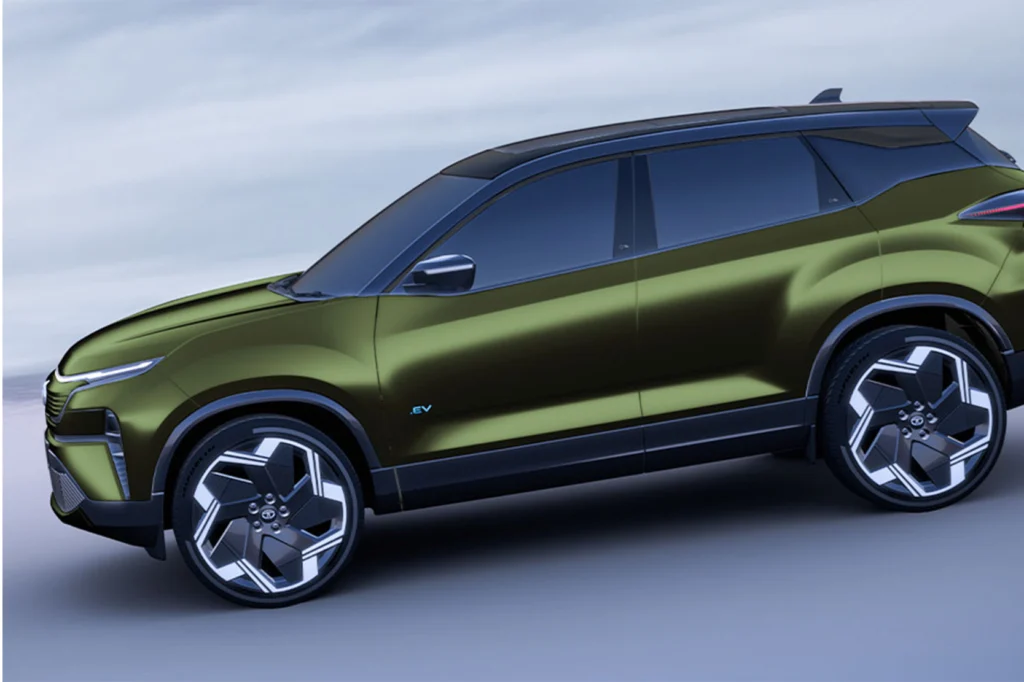
The Tata Safari EV is expected to carry forward the bold and muscular design language of the current Safari but with EV-specific styling upgrades. Expect a closed-off grille, sleek LED DRLs, and aerodynamic alloy wheels designed to improve efficiency.
From what I’ve seen in Tata’s recent EV concepts, the SUV will likely feature a futuristic front fascia and sharper body lines. The rear could get connected LED tail lamps, giving it a premium road presence. Overall, it will look modern yet retain the rugged appeal that Safari fans love.
Engine, Performance and Driving Experience
Since it’s an EV, there’s no traditional engine. The Safari EV will likely use Tata’s Gen 2 or Gen 3 EV architecture (Acti.EV platform) with a dual-motor AWD setup in higher variants.

Performance-wise, expect:
- Instant torque delivery (quick acceleration)
- 0–100 km/h in around 8–9 seconds (estimated)
- Smooth and silent driving experience
From experience with Tata EVs, the tuning is usually comfortable and city-friendly, but Safari EV might also offer selectable drive modes like Eco, City, and Sport for better control.
Mileage and Real-World Fuel Efficiency
In EV terms, “mileage” means driving range. The Safari EV is expected to deliver:
| Condition | Expected Range |
|---|---|
| Claimed Range | 550–600 km |
| Real-world City | 480–520 km |
| Highway Range | 420–480 km |
Fast charging could allow:
- 10–80% charge in ~40–50 minutes (DC fast charger)
This makes it practical for long drives as well, something Indian buyers often worry about.
Interior, Comfort and Seating Quality
Inside, the Safari EV is expected to be premium and spacious, especially as a 6- or 7-seater SUV. Tata is likely to focus heavily on comfort and luxury to justify its pricing.
Expected highlights:
- Ventilated seats (front & possibly rear)
- Panoramic sunroof
- Premium leather upholstery
- Flat floor (thanks to EV platform)
Legroom and headroom should remain excellent, especially for second-row passengers. Third-row usability might improve slightly due to better packaging of EV components.
Features and Latest Technology
Tata is stepping up its tech game, and the Safari EV will likely be packed with features:
- Large 12–14 inch touchscreen infotainment system
- Fully digital instrument cluster
- Wireless Android Auto & Apple CarPlay
- 360-degree camera
- OTA (Over-the-Air) updates
- Connected car tech (remote control via app)
We might also see ADAS (Advanced Driver Assistance Systems) including adaptive cruise control, lane assist, and automatic emergency braking.
Safety Features and Build Quality
Tata has built a reputation for safety, and Safari EV will likely continue that legacy.
Expected safety features:
- 6–7 airbags
- ABS with EBD
- Electronic Stability Control (ESC)
- ADAS Level 2 features
- Strong crash-tested body structure
Given Tata’s track record, it could aim for a 5-star safety rating in Global NCAP or Bharat NCAP.
Variants, Colours and Customization Options
The Safari EV is expected to come in multiple variants:
- Base (Tech-focused)
- Mid (Comfort + Features)
- Top (Luxury + AWD)
Expected colour options:
- White, Black, Grey
- Signature Tata EV Blue
- Dual-tone options
Customization may include different seat layouts (6/7 seater) and accessory packs.
Price, On-Road Cost and Expected Launch (if upcoming)
- Expected Ex-showroom Price: ₹28 lakh – ₹35 lakh
- On-road Price (approx): ₹32 lakh – ₹40 lakh
- Expected Launch Timeline: Late 2026
This pricing positions it against premium EV SUVs and even some ICE rivals.
Pros and Cons of Tata Safari EV 2026
Pros:
- Long driving range (500+ km expected)
- Premium 6/7-seater SUV practicality
- Advanced tech and features
- Strong safety reputation
- Potential AWD capability
Cons:
- Higher initial cost
- Charging infrastructure still developing
- Third-row may still feel tight
- Waiting period likely after launch
Comparison with Main Rivals (short and practical)
Main expected rivals:
- Mahindra XUV.e8
- Hyundai Ioniq 5
- BYD Atto 3
Quick comparison insight:
- Safari EV = Best for space + SUV feel
- Ioniq 5 = Best for futuristic design + tech
- XUV.e8 = Strong performance competitor
- Atto 3 = More city-focused premium EV
Who Should Buy This Car?
You should consider the Safari EV if:
- You want a large family electric SUV
- You prefer premium comfort + space
- You do long drives and need high range
- You trust Tata’s safety and build quality