



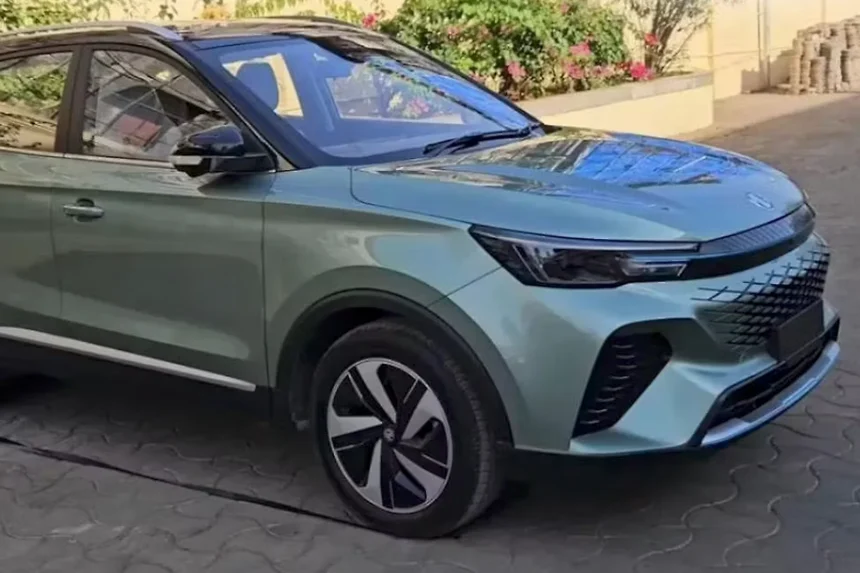
The MG Astor Facelift 2026 is expected to launch in India around November 2026 with a refreshed exterior design, upgraded ADAS features, improved infotainment technology, new interior materials, and enhanced safety systems while retaining its refined petrol engine options.
- Overview of MG Astor Facelift 2026
- Design and Exterior Looks
- Engine, Performance and Driving Experience
- Mileage and Real-World Fuel Efficiency
- Interior, Comfort and Seating Quality
- Features and Latest Technology
- Safety Features and Build Quality
- Variants, Colours and Customization Options
- Price, On-Road Cost and Expected Launch
- Pros and Cons of MG Astor Facelift 2026
- Comparison with Main Rivals
- Who Should Buy This Car?
- FAQ
The MG Astor Facelift 2026 is shaping up to be one of the most anticipated compact SUVs in India. Since its original launch, the MG Astor gained attention for bringing advanced technology like AI assistant and Level-2 ADAS to the mid-size SUV segment. Now, MG Motor is preparing a major refresh to keep the Astor competitive in a segment filled with tech-packed rivals.
Indian buyers today want premium interiors, advanced safety features, connected technology, and stylish design even in affordable SUVs. That is exactly where the Astor facelift aims to improve. Based on early previews and industry insights, the upcoming model could introduce a redesigned front profile, new infotainment software, improved cabin materials, and smarter driver assistance systems, making it a stronger competitor against segment leaders.
“A tech-focused SUV upgrade that could redefine premium features in the compact segment.”
Automotive Expert
Overview of MG Astor Facelift 2026
The MG Astor Facelift 2026 is an upcoming update to MG’s popular compact SUV designed specifically for the Indian market. The refreshed model is expected to receive a redesigned grille, sharper LED lighting, new alloy wheels, and a modernized interior. MG may also upgrade its AI-powered infotainment system, digital cockpit, and Level-2 ADAS safety suite.
Under the hood, the Astor facelift will likely continue with the 1.5-litre naturally aspirated petrol engine and the 1.3-litre turbo petrol engine, offering both manual and automatic transmissions. With enhanced tech and improved comfort, MG aims to strengthen the Astor’s position in India’s competitive mid-size SUV segment.
Design and Exterior Looks
The MG Astor facelift 2026 is expected to receive a noticeable design refresh while maintaining its premium SUV character. MG is likely to introduce a redesigned front grille, sharper LED headlights, and a more sculpted bumper to give the vehicle a sportier appearance.

The side profile will likely remain similar but may feature new alloy wheel designs and subtle chrome accents. These small upgrades can significantly improve the road presence.
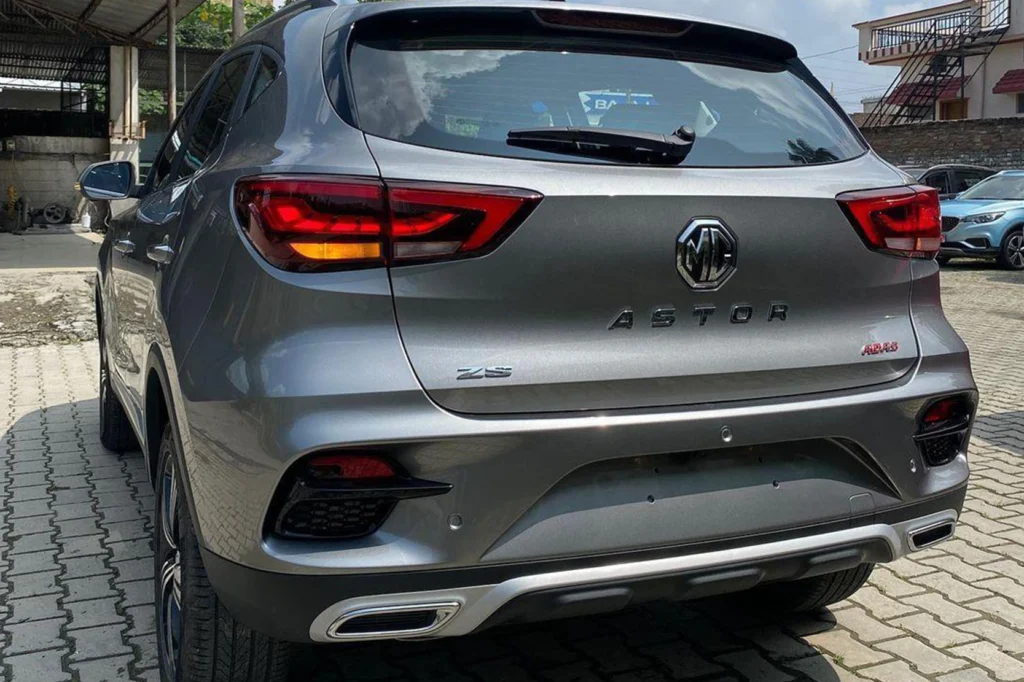
At the rear, MG could update the LED tail light signature and bumper design, giving the SUV a more modern and premium finish. Overall, the facelift will aim to keep the Astor visually fresh without changing its recognizable silhouette.
Engine, Performance and Driving Experience
The Astor facelift is expected to continue with two reliable petrol engine options.
| Engine | Power | Transmission |
|---|---|---|
| 1.5L NA Petrol | ~110 PS | 5-MT / CVT |
| 1.3L Turbo Petrol | ~140 PS | 6-AT |
The 1.5-litre petrol engine focuses on smooth city driving and good fuel efficiency. It suits daily commuters who want a relaxed driving experience.
The 1.3-litre turbo petrol engine delivers stronger acceleration and better highway performance. When paired with the automatic transmission, it offers a refined and effortless driving feel, making it ideal for long journeys.
Mileage and Real-World Fuel Efficiency
Fuel efficiency is an important factor for Indian buyers, and MG is expected to maintain similar figures with minor tuning improvements.
Estimated mileage figures:
| Engine | Claimed Mileage |
|---|---|
| 1.5L Petrol MT | ~15 km/l |
| 1.5L Petrol CVT | ~14 km/l |
| 1.3L Turbo AT | ~13 km/l |
In real-world driving conditions, most owners may see 11–14 km/l depending on traffic, driving style, and road conditions.
MG may also optimize engine calibration slightly to improve efficiency without compromising performance.
Interior, Comfort and Seating Quality
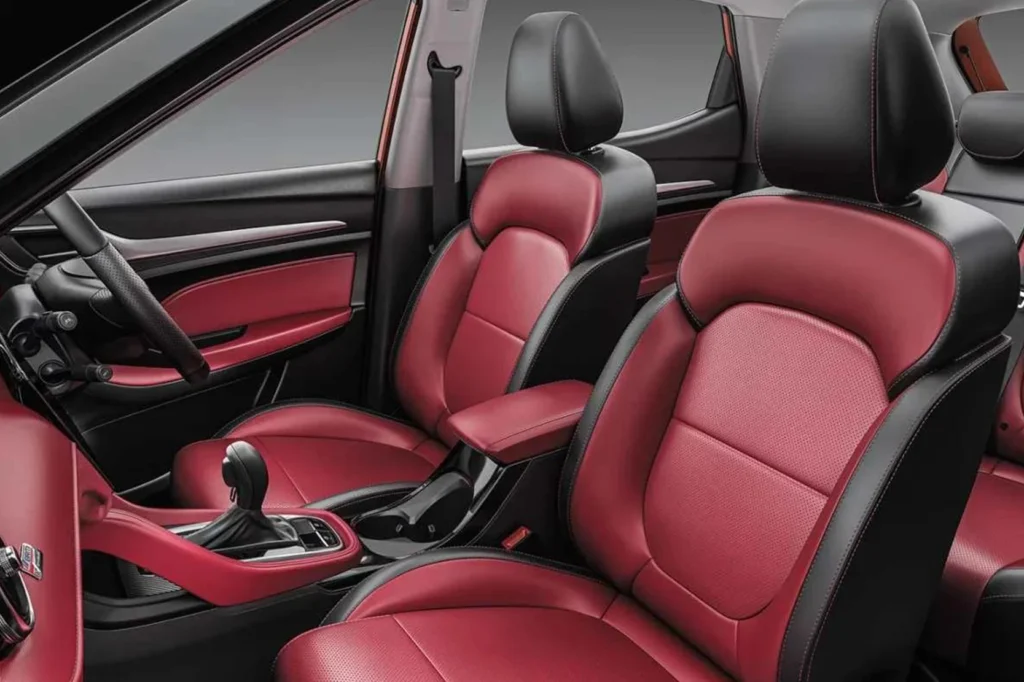
Inside the cabin, the Astor facelift is expected to receive improved materials and a more premium finish. MG may introduce new upholstery colors, soft-touch dashboard elements, and better ambient lighting.
The seating comfort in the Astor has always been impressive. The facelift will likely retain well-cushioned seats, good thigh support, and generous headroom for both front and rear passengers.
Rear seat passengers should continue to enjoy rear AC vents, center armrest, and comfortable legroom, making the Astor a practical SUV for family trips.
Features and Latest Technology
One of the Astor’s biggest strengths has always been technology and smart features.
Expected tech upgrades include:
- Updated AI-powered voice assistant
- Larger 10.1-inch touchscreen infotainment system
- Fully digital driver display
- Wireless Android Auto & Apple CarPlay
- 360-degree parking camera
- Connected car technology
- Wireless phone charging
- Premium sound system
The Astor will likely continue to offer Level-2 ADAS driver assistance features, which are still rare in this price segment.
Safety Features and Build Quality
MG has built a reputation for providing advanced safety features even in mid-range variants.
Expected safety features include:
- Level-2 ADAS system
- Adaptive cruise control
- Forward collision warning
- Automatic emergency braking
- Lane keep assist
- Blind spot monitoring
- 6 airbags
- Electronic Stability Control
- Hill hold and hill descent control
- ISOFIX child seat mounts
The Astor already performs well in structural strength, and the facelift will likely continue with a strong body structure designed for passenger protection.
Variants, Colours and Customization Options
The Astor facelift will likely follow MG’s current variant structure.
Expected variants:
- Sprint
- Shine
- Smart
- Sharp
- Savvy
Possible new colour options may include:
- Starry Black
- Candy White
- Aurora Silver
- Glaze Red
- Havana Grey
- Dual-tone special editions
MG often introduces special edition trims, so buyers may also see new styling packages or interior themes.
Price, On-Road Cost and Expected Launch
| Detail | Expected Information |
|---|---|
| Expected Launch | November 2026 |
| Estimated Starting Price | ₹11.5 lakh |
| Top Variant Price | ₹18 lakh |
| Estimated On-Road Price | ₹13 – ₹21 lakh |
Prices may vary depending on variant, city taxes, and optional accessories.
MG will likely position the Astor facelift as a value-packed premium compact SUV.
Pros and Cons of MG Astor Facelift 2026
Pros
- Advanced ADAS safety technology
- Premium and comfortable interior
- Smooth petrol engines
- Feature-rich infotainment system
- Strong build quality
Cons
- No diesel engine option
- Mileage slightly lower than some rivals
- Boot space is average
- Turbo engine available only with automatic
Comparison with Main Rivals
The Astor competes with popular SUVs in India such as:
- Hyundai Creta
- Kia Seltos
- Skoda Kushaq
- Volkswagen Taigun
Key difference:
The Astor stands out mainly because of its ADAS technology and premium interior feel, while rivals focus more on engine performance and fuel efficiency.
Who Should Buy This Car?
The MG Astor facelift could be a great choice for:
- Buyers who want a tech-loaded SUV
- Families looking for comfort and safety
- Drivers who prefer automatic transmission convenience
- Urban buyers wanting premium interiors in a compact SUV
If advanced features and technology matter to you more than raw performance, the Astor will feel very appealing.