



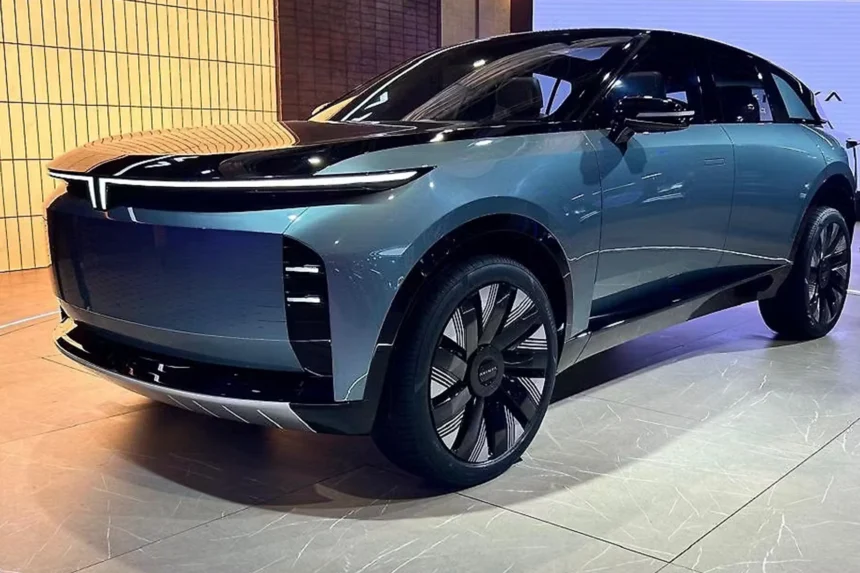
Finally Tata Motors is preparing for one of the biggest transformations in its electric vehicle journey. The company’s highly anticipated Avinya electric vehicle range will now use the Freelander platform developed through the Chery-Jaguar Land Rover (CJLR) partnership, marking a significant shift from its earlier plans. This development is expected to help Tata accelerate the launch of its premium EV lineup while improving cost efficiency and competitiveness in the rapidly evolving global electric vehicle market. According to recent reports, Tata Motors has decided to move away from the previously planned Jaguar Land Rover Electrified Modular Architecture (EMA) platform and instead leverage the Freelander architecture produced by the Chery-JLR joint venture.
“Global platform partnership could significantly elevate Tata’s EV potential.”
Automotive Expert
The Avinya brand was first introduced as Tata Motors’ vision for next-generation premium electric mobility. When the futuristic Avinya concept debuted, it showcased Tata’s ambitions to create globally competitive electric vehicles with advanced technology, luxurious interiors, long driving ranges, and cutting-edge connectivity features. Initially, Tata planned to develop the production version of Avinya using JLR’s EMA platform, which was expected to provide world-class electric vehicle capabilities. However, changing market conditions, development challenges, and cost considerations forced the company to rethink its strategy.
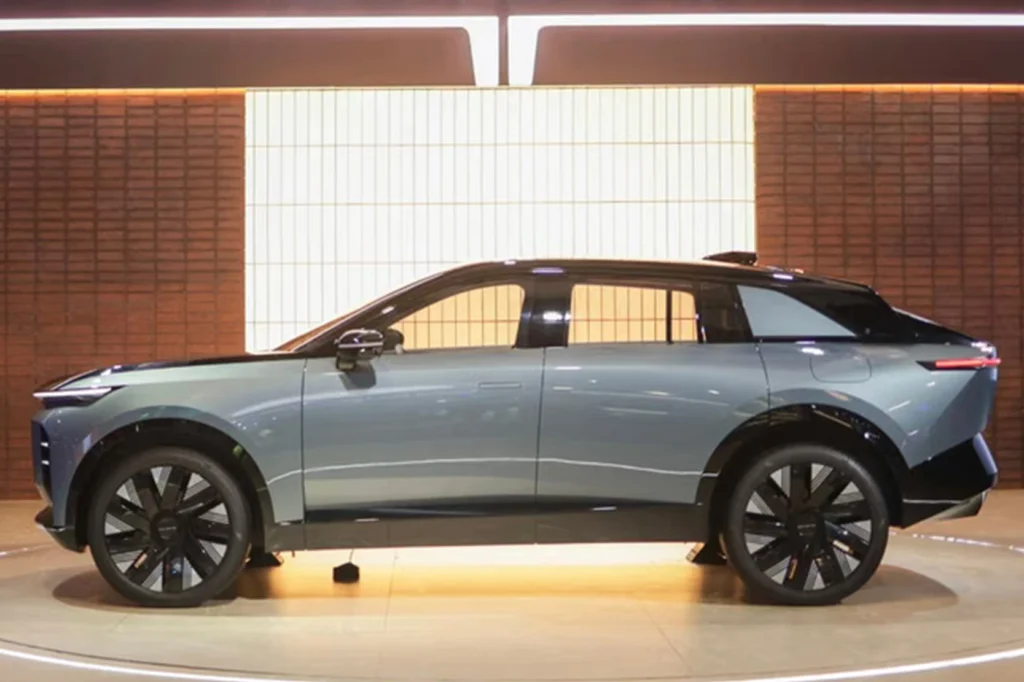
The decision to adopt the Freelander platform appears to be driven by practical business reasons. Industry reports suggest that adapting the EMA architecture for Tata’s target pricing and production volumes was becoming increasingly difficult. By utilizing the Chery-JLR platform, Tata can reduce development costs, shorten engineering timelines, and bring products to market faster. This is particularly important as competition in India’s electric vehicle segment intensifies with aggressive new products from both domestic and international manufacturers.
One of the biggest advantages of the Freelander platform is its modern electric vehicle architecture. The platform has been developed through the collaboration between Chery, one of China’s largest automotive companies, and Jaguar Land Rover, a premium British automaker owned by Tata Motors. This combination brings together advanced EV technology, scalable engineering solutions, and global development expertise. As a result, future Avinya models could benefit from improved efficiency, better battery packaging, enhanced software integration, and competitive performance characteristics.
The first production model under the revised Avinya roadmap is expected to be the Avinya X, internally known as the P2 program. Reports indicate that this model could arrive in the Indian market in 2027 and will be manufactured at Tata Motors’ state-of-the-art facility in Tamil Nadu. The plant has been developed to support premium vehicle production and will play a crucial role in Tata’s long-term electric mobility strategy. A second Avinya model is also expected to follow later as the brand expands its premium EV portfolio.

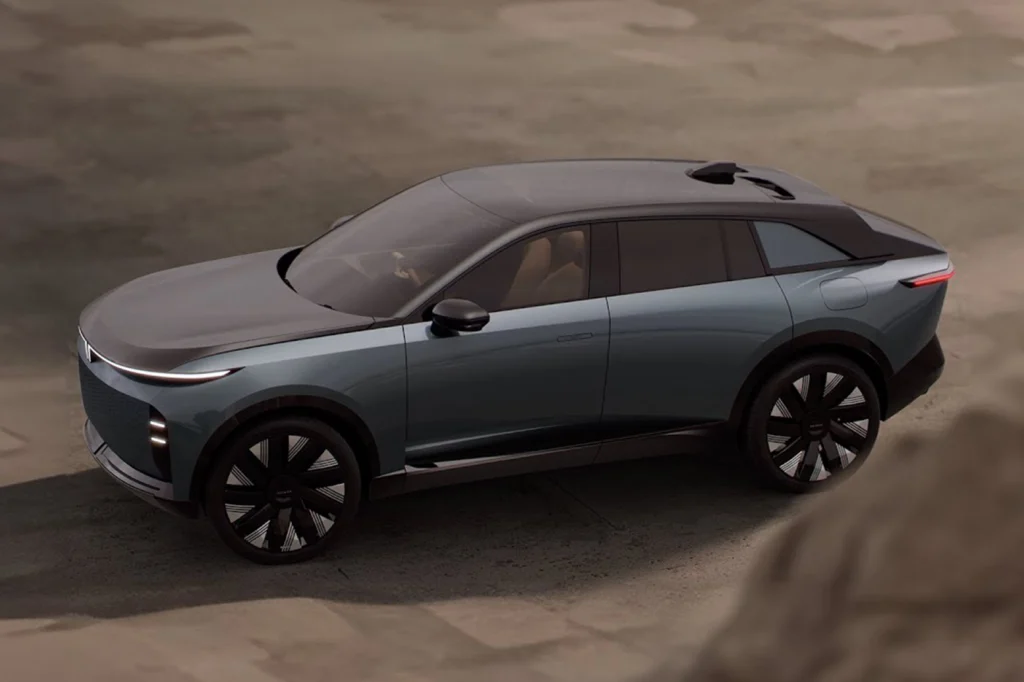
Chery-JLR’s Freelander platform for Tata Avinya EV
For Indian consumers, this strategic move could bring several benefits. By leveraging an already-developed platform, Tata Motors may be able to offer advanced electric vehicle technology at more competitive prices than would otherwise be possible. Faster development timelines also mean buyers may not have to wait as long for new premium electric models. Additionally, Tata has stated that while the underlying architecture comes from the CJLR ecosystem, the vehicles will still be shaped by Tata’s own design, engineering, integration, and customer-focused development approach.
The shift to the Freelander platform also highlights a broader trend within the global automotive industry. Automakers are increasingly collaborating across regions and sharing vehicle architectures to reduce costs and accelerate innovation. Developing dedicated EV platforms from scratch requires enormous investment, and even large manufacturers are seeking strategic partnerships to remain competitive. Tata Motors’ decision reflects this changing reality and demonstrates its commitment to maintaining leadership in India’s electric vehicle market.
Looking ahead, the Avinya range remains one of the most exciting future vehicle projects from Tata Motors. While the platform strategy has changed, the company’s vision of creating premium, technology-focused electric vehicles remains intact. If executed successfully, the combination of Tata’s understanding of the Indian market, JLR’s premium expertise, and Chery’s advanced EV technology could result in a compelling new generation of electric vehicles. With the first Avinya model now targeted for a 2027 launch, automotive enthusiasts and EV buyers will be watching closely to see how this ambitious project evolves in the coming years.