


Here BYD Plug-In Hybrid Cars are among the most advanced hybrid vehicles in the world, combining a gasoline engine with a powerful electric motor and BYD’s DM-i/DM-p hybrid technology. They deliver excellent fuel efficiency, long electric-only driving range, lower running costs, strong performance, and practical everyday usability, making them a compelling alternative to conventional petrol, diesel, and fully electric vehicles in 2026.
- Overview of BYD Plug-In Hybrid Cars
- Design and Exterior Looks
- Engine, Performance and Driving Experience
- Mileage and Real-World Fuel Efficiency
- Interior, Comfort and Seating Quality
- Features and Latest Technology
- Safety Features and Build Quality
- Variants, Colours and Customization Options
- Price, On-Road Cost and Expected Launch
- Pros and Cons of BYD Plug-In Hybrid Cars
- Comparison with Main Rivals
- Who Should Buy This Car?
- FAQ
The global automotive industry is rapidly shifting toward electrification, and BYD plug-in hybrid cars have emerged as one of the biggest success stories in this transition. Known for their innovative battery technology, impressive fuel economy, and real-world practicality, BYD’s hybrid vehicles have gained popularity across Asia, Europe, Australia, South America, and several emerging markets.
As of June 9, 2026, BYD continues expanding its global presence with advanced plug-in hybrid models that offer long electric driving ranges, modern technology, premium interiors, and competitive pricing. For buyers who want electric-like efficiency without charging anxiety, BYD hybrid vehicles present an attractive solution.
“Highly efficient hybrids delivering EV-like driving with exceptional real-world practicality.”
Automotive Expert
Overview of BYD Plug-In Hybrid Cars
BYD plug-in hybrid cars use the company’s advanced DM-i and DM-p hybrid systems, combining efficient petrol engines with powerful electric motors and Blade Battery technology. These vehicles can operate as pure EVs for daily commuting while retaining the flexibility of a conventional fuel tank for long-distance travel. Popular models include the Seal DM-i, Qin Plus DM-i, Song Plus DM-i, Sealion 6 DM-i, and Han DM-i. They offer excellent fuel economy, low emissions, modern interiors, smart connectivity features, and competitive ownership costs. BYD’s hybrid lineup is increasingly becoming a preferred choice for global consumers.
Design and Exterior Looks
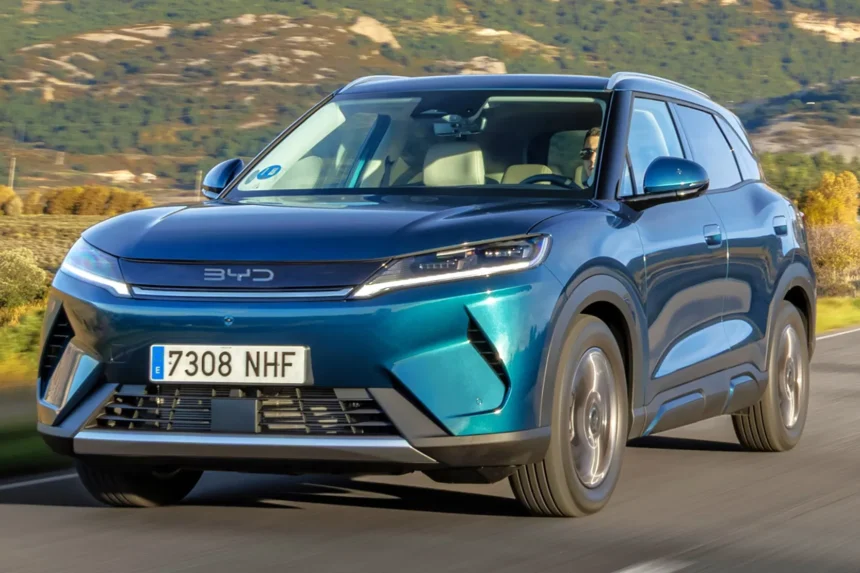
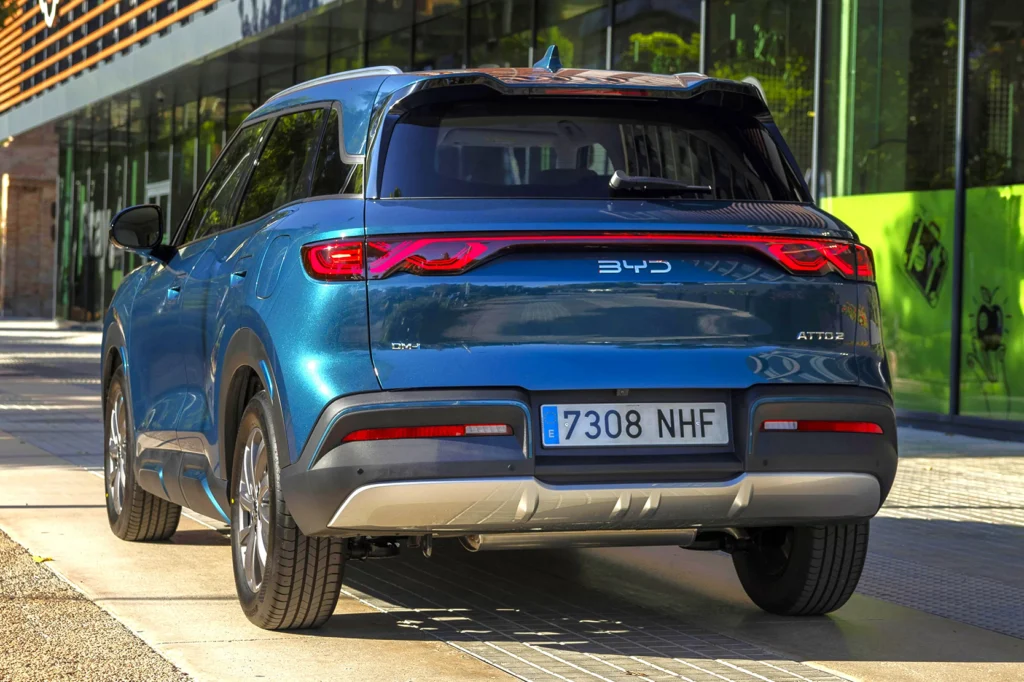
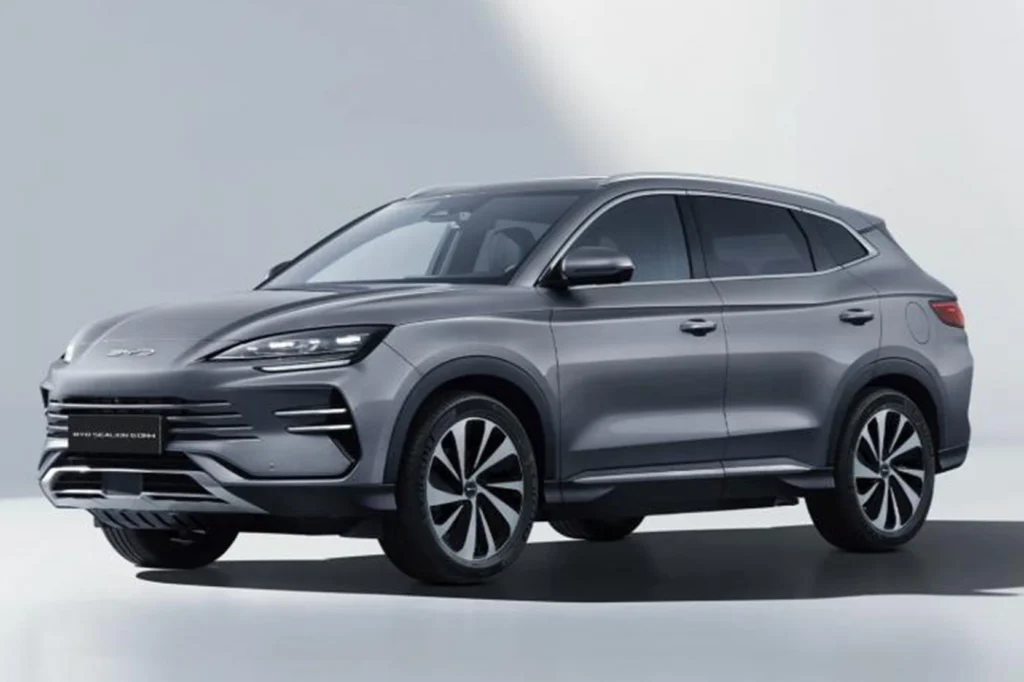
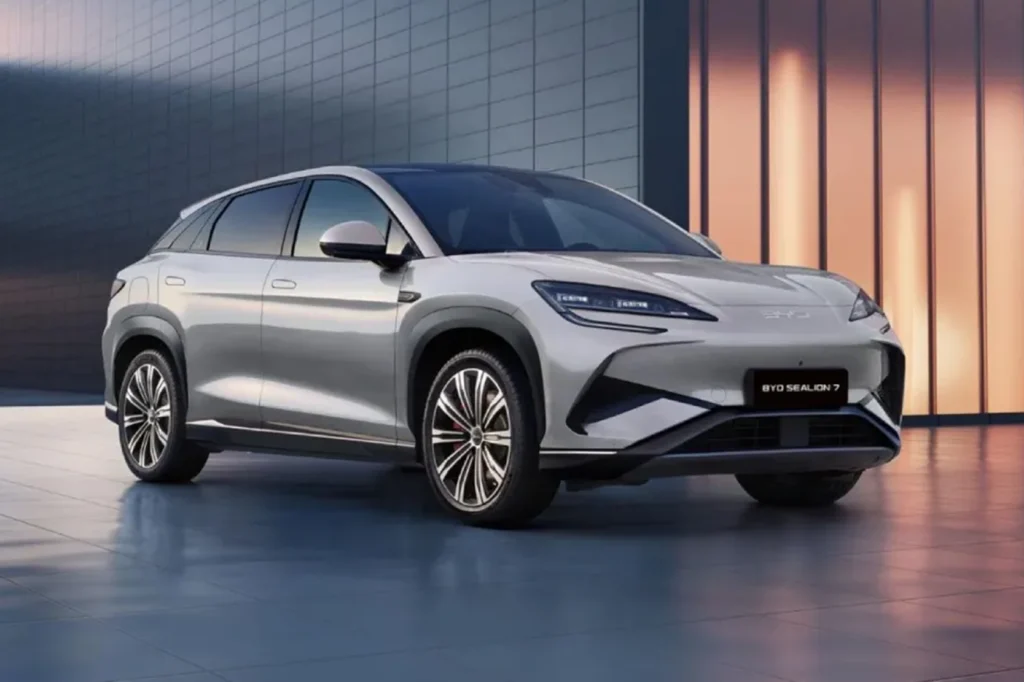
BYD has significantly improved its design language over the last few years. Modern plug-in hybrid models feature sleek body lines, aerodynamic profiles, premium LED lighting systems, and sophisticated styling inspired by luxury European brands.
The front fascia typically includes slim LED headlights, aggressive daytime running lights, and a modern grille design. Models such as the Seal DM-i and Han DM-i showcase a sporty and premium appearance that appeals to younger and family-oriented buyers alike.

The overall exterior quality feels upscale, with attention to panel fitment, paint quality, alloy wheel designs, and aerodynamic efficiency. Many buyers are surprised by how premium BYD vehicles look compared to their price point.
Engine, Performance and Driving Experience
BYD’s DM-i hybrid system prioritizes efficiency, while the DM-p system focuses more on performance. Both combine a petrol engine with an electric motor and a large battery pack.
In daily driving, the electric motor handles much of the work, resulting in smooth acceleration, silent operation, and immediate torque delivery. This creates a driving experience that feels very similar to a fully electric vehicle.
Performance varies by model, but many BYD plug-in hybrids offer:
| Specification | Typical Range |
|---|---|
| Power Output | 180–500+ hp |
| Electric Range | 80–200+ km |
| Combined Range | 1,000–2,000 km |
| Acceleration | 4.7–8.5 seconds |
High-performance DM-p variants can rival traditional sports sedans while maintaining excellent efficiency.
Mileage and Real-World Fuel Efficiency
Fuel efficiency is one of the biggest reasons buyers choose BYD plug-in hybrid cars.
When regularly charged, many owners complete daily commutes entirely on electric power, using little to no petrol. This dramatically reduces fuel expenses.
Real-world efficiency often ranges between:
- 1.5–4.5 L/100 km
- 22–60 km/l equivalent
- 80–200+ km pure electric driving
- Up to 2,000 km combined driving range on select models
Actual results depend on driving style, battery charging habits, climate conditions, and route characteristics.
Interior, Comfort and Seating Quality
BYD interiors have improved dramatically in recent years. Most plug-in hybrid models feature premium materials, soft-touch surfaces, large infotainment displays, and spacious cabin layouts.
Front seats are generally supportive and comfortable for long journeys. Higher trims often include:
- Ventilated seats
- Heated seats
- Electric seat adjustment
- Memory functions
- Premium upholstery
Rear-seat comfort is also impressive. Family-oriented models provide generous legroom, headroom, and practical storage solutions.
Cabin insulation is another strong point because electric driving significantly reduces engine noise during everyday commuting.
Features and Latest Technology
BYD equips its plug-in hybrid vehicles with a comprehensive list of modern technologies.
Popular features include:
- Rotating touchscreen display
- Digital instrument cluster
- Wireless smartphone charging
- Apple CarPlay and Android Auto
- OTA software updates
- Voice assistant
- Connected car technology
- Smart key access
- Wireless updates
Many models also support vehicle-to-load (V2L) functionality, allowing owners to power external devices directly from the car’s battery.
The software interface is generally user-friendly and regularly updated through over-the-air improvements.
Safety Features and Build Quality
Safety has become a major focus for BYD’s global expansion strategy.
Most modern BYD plug-in hybrids include:
- Multiple airbags
- Adaptive cruise control
- Automatic emergency braking
- Blind spot monitoring
- Lane departure warning
- Lane keeping assist
- Rear cross-traffic alert
- Driver monitoring systems
- 360-degree camera
BYD’s Blade Battery technology is widely recognized for its durability and thermal safety characteristics.
Build quality has improved significantly, with stronger body structures and better manufacturing standards compared to earlier generations.
Variants, Colours and Customization Options
BYD offers multiple trim levels across its hybrid range.
Common variants typically include:
| Variant Type | Target Buyer |
|---|---|
| Base | Budget-conscious buyers |
| Mid-Level | Best value choice |
| Premium | Feature-rich ownership |
| Performance (DM-p) | Enthusiast drivers |
Popular colour choices include:
- Pearl White
- Crystal Black
- Ocean Blue
- Silver Grey
- Emerald Green
- Red Metallic
Customization options may include wheel designs, interior themes, technology packages, and premium upholstery selections depending on the market.
Price, On-Road Cost and Expected Launch
BYD plug-in hybrid pricing varies significantly depending on the model and market.
Estimated global pricing ranges:
| Segment | Expected Price |
|---|---|
| Compact Sedan | $15,000–$30,000 |
| Mid-Size Sedan | $25,000–$45,000 |
| Compact SUV | $25,000–$50,000 |
| Premium Sedan | $40,000–$70,000 |
For India, BYD is expected to continue evaluating hybrid opportunities alongside its EV portfolio, although official launch plans may vary by model and regulatory developments.
On-road costs will depend on taxes, import duties, registration charges, insurance, and local incentives.
Pros and Cons of BYD Plug-In Hybrid Cars
Pros
- Excellent fuel efficiency
- Long electric-only driving range
- Lower running costs
- Smooth EV-like driving experience
- Advanced battery technology
- Modern interiors
- Competitive pricing
- Strong technology package
- Reduced emissions
- Long combined driving range
Cons
- Availability varies by country
- Charging infrastructure still beneficial
- Some markets have limited dealer networks
- Resale values still developing in newer regions
- Certain models may have software learning curves
Comparison with Main Rivals
| Model | Key Advantage |
|---|---|
| BYD DM-i Models | Better electric range and value |
| Toyota Prius Plug-In | Strong reliability reputation |
| Toyota RAV4 PHEV | Excellent practicality |
| Hyundai Tucson PHEV | Premium cabin quality |
| Kia Sportage PHEV | Balanced performance |
| Mitsubishi Outlander PHEV | Proven hybrid technology |
| MG eHS Plug-In Hybrid | Competitive pricing |
BYD often stands out by offering larger batteries, longer electric range, and aggressive pricing.
Who Should Buy This Car?
BYD plug-in hybrid cars are ideal for:
- Daily commuters
- Families
- Long-distance travelers
- First-time hybrid buyers
- EV-curious customers
- Fleet operators
- Cost-conscious drivers
They work especially well for people who can charge at home but still need the flexibility of petrol-powered long-distance travel.