



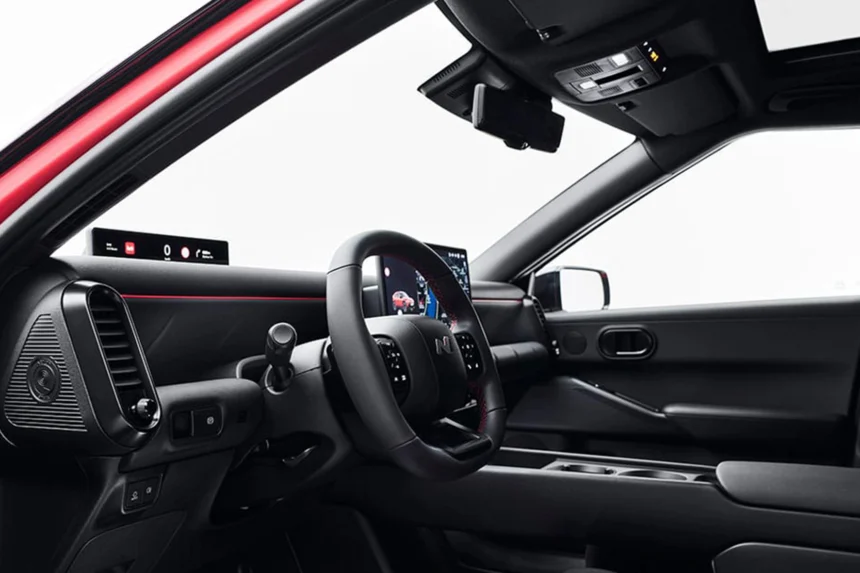
The expected price of the Hyundai Ioniq 3 in India is likely to range between ₹20 lakh to ₹25 lakh (ex-showroom), with a possible launch around late 2027.
- Overview of Hyundai Ioniq 3
- Design and Exterior Looks
- Engine, Performance and Driving Experience
- Mileage and Real-World Fuel Efficiency
- Interior, Comfort and Seating Quality
- Features and Latest Technology
- Safety Features and Build Quality
- Variants, Colours and Customization Options
- Price, On-Road Cost and Expected Launch
- Pros and Cons of Hyundai Ioniq 3
- Comparison with Main Rivals
- Who Should Buy This Car?
- FAQ
The upcoming Hyundai Ioniq 3 is already generating serious buzz in the Indian EV market. As electric vehicles continue gaining popularity, this compact and affordable EV from Hyundai Motor Company could become a game-changer for budget-conscious buyers who want premium features without spending a fortune.
With rising fuel prices, stricter emission norms, and growing EV infrastructure in India, cars like the Ioniq 3 are perfectly timed. Based on Hyundai’s advanced E-GMP platform and global EV success, this car is expected to offer impressive range, smart tech, and practical usability for everyday Indian driving.
“Affordable EV with premium tech, strong range potential, perfect for urban Indian buyers.”
Automotive Expert
Overview of Hyundai Ioniq 3
The Hyundai Ioniq 3 is expected to be a compact electric SUV/hatchback designed for urban users. Positioned below Ioniq 5, it will likely target first-time EV buyers. Built on Hyundai’s E-GMP platform, it may offer a driving range of around 350–450 km. The car is expected to feature modern styling, smart connectivity, and fast charging capabilities. With competitive pricing, premium interiors, and Hyundai’s reliability, the Ioniq 3 could become one of the most affordable yet feature-rich electric vehicles in India by 2027.
Design and Exterior Looks
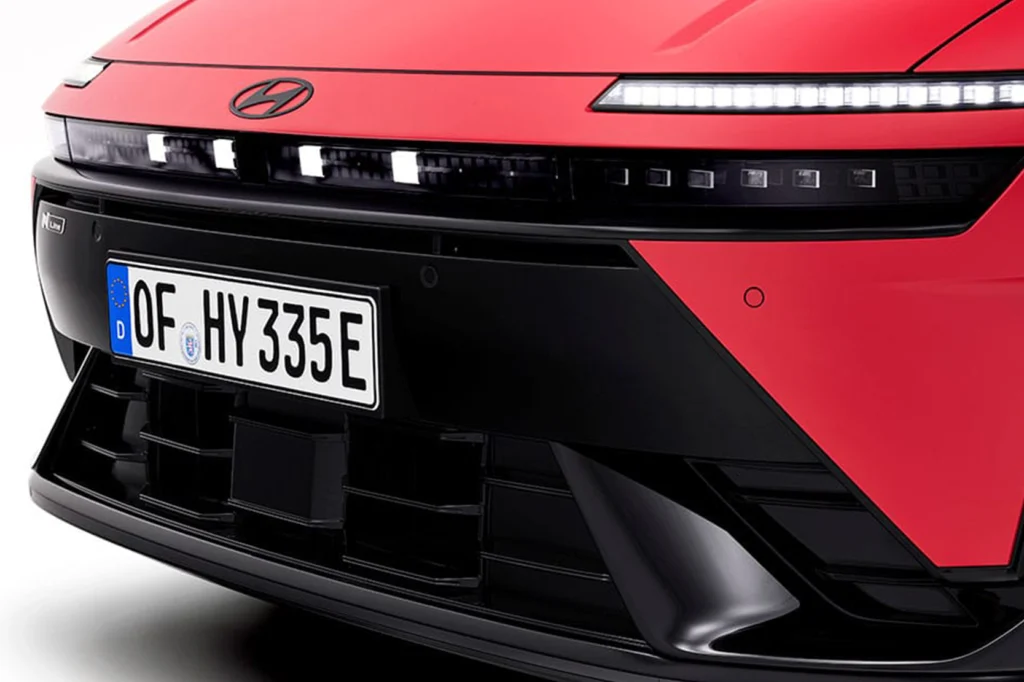
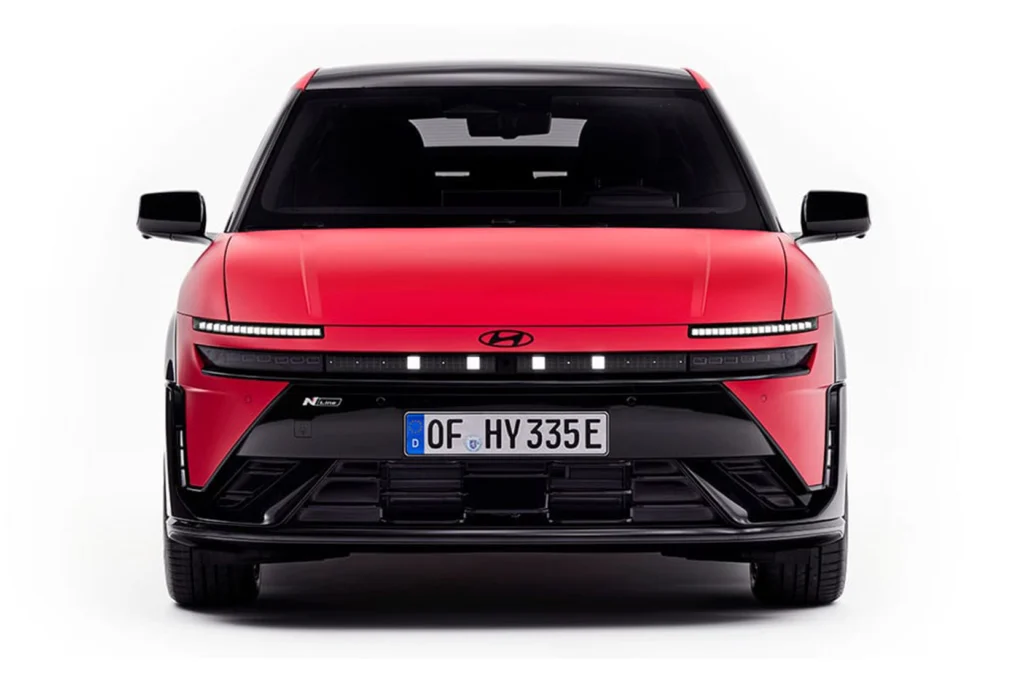
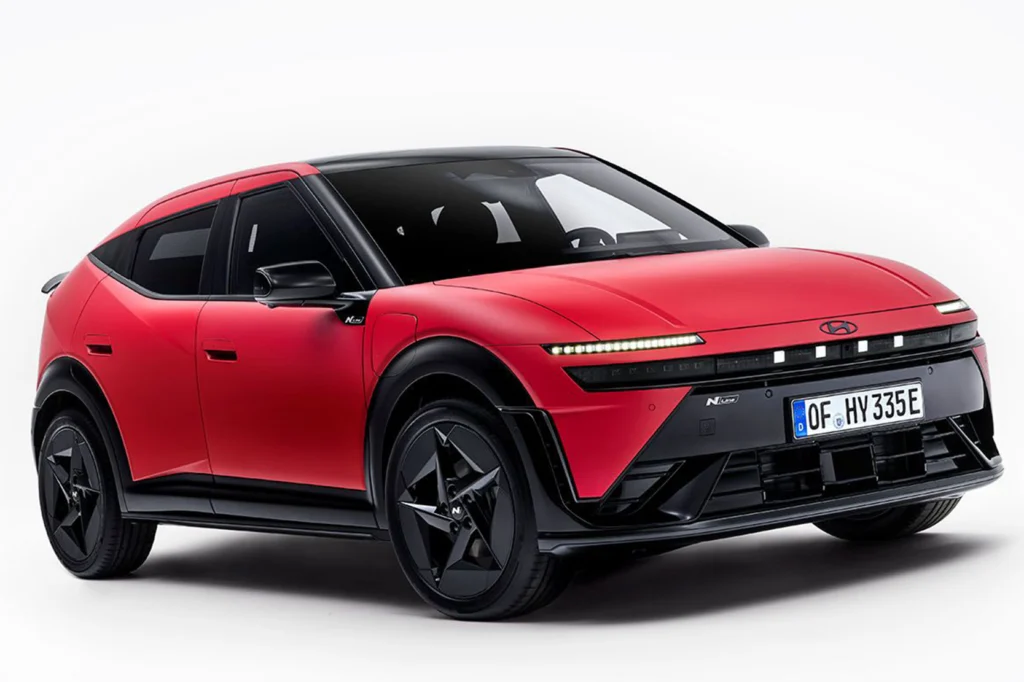
The design of the Hyundai Ioniq 3 will likely follow Hyundai’s futuristic EV design language. Expect sharp LED lighting, pixel-inspired DRLs, and a clean, aerodynamic body that enhances efficiency.
From what I’ve seen in Hyundai’s recent concepts, the Ioniq 3 could have a compact SUV stance with bold wheel arches and a modern front fascia. It should look premium despite being positioned as an entry-level EV.
Engine, Performance and Driving Experience
Since it’s an electric vehicle, there is no traditional engine. Instead, the Ioniq 3 will use an electric motor powered by a lithium-ion battery pack.
In real-world terms, expect smooth acceleration, silent driving, and instant torque perfect for city traffic. Based on Hyundai’s current EVs, performance should feel quick and responsive, especially in stop-and-go conditions.
Mileage and Real-World Fuel Efficiency
In EV terms, mileage means driving range. The Hyundai Ioniq 3 is expected to deliver around:
| Condition | Expected Range |
|---|---|
| City Driving | 400–450 km |
| Highway Driving | 300–350 km |
Real-world performance will depend on driving style, AC usage, and traffic. Hyundai usually optimizes battery efficiency well, so expectations are high.
Interior, Comfort and Seating Quality
Inside, the Ioniq 3 is expected to feel minimalistic yet premium. Hyundai may use eco-friendly materials, soft-touch panels, and a clutter-free dashboard.
Seating comfort should be excellent for daily use, with ample legroom for both front and rear passengers. Given Hyundai’s track record, expect good ergonomics and practical storage spaces.
Features and Latest Technology
Hyundai is known for loading features even in budget segments, and the Ioniq 3 should be no different.
Expected features include:
- Large touchscreen infotainment system
- Digital instrument cluster
- Wireless Android Auto & Apple CarPlay
- Connected car tech
- Fast charging support
- OTA updates
- Voice commands
These features will make it one of the most tech-loaded EVs in its segment.
Safety Features and Build Quality
Safety is a strong focus for Hyundai EVs. The Ioniq 3 may include:
- 6 airbags (standard)
- ABS with EBD
- Electronic Stability Control (ESC)
- ADAS features (in higher variants)
- Strong EV platform structure
Build quality is expected to be solid, especially since EV platforms are generally safer due to low center of gravity.
Variants, Colours and Customization Options
While official details are not available yet, Hyundai is likely to offer:
Variants:
- Base EV variant
- Mid-range variant
- Fully loaded variant with ADAS
Colours:
- White
- Black
- Silver
- Blue (signature EV shade)
- Dual-tone options
Customization options may include alloy wheels, interior themes, and tech packages.
Price, On-Road Cost and Expected Launch
Here’s a realistic pricing estimate:
| Type | Expected Price |
|---|---|
| Ex-Showroom | ₹20 – ₹25 lakh |
| On-Road (India) | ₹23 – ₹28 lakh |
Expected Launch: Late 2027
Pricing will be crucial, and Hyundai is expected to keep it competitive to rival upcoming budget EVs.
Pros and Cons of Hyundai Ioniq 3
✅ Pros:
- Affordable electric car from a trusted brand
- Modern design and premium feel
- Good expected driving range
- Advanced features and connectivity
- Smooth and silent driving experience
❌ Cons:
- Launch still far (2027)
- Charging infrastructure still growing in India
- Final specs not confirmed yet
- May face strong competition by launch time
Comparison with Main Rivals
The Ioniq 3 will compete with:
- Tata Curvv EV
- Mahindra XUV.e8
- MG4 EV
Compared to rivals, Hyundai’s advantage will likely be better refinement, technology, and global EV expertise.
Who Should Buy This Car?
You should consider the Ioniq 3 if:
- You want your first electric car
- You drive mostly in the city
- You prefer low running cost vehicles
- You trust Hyundai brand reliability
- You want premium features at a mid-range price