



Now Maruti Suzuki Ignis has officially discontinued the Ignis in several markets and is gradually phasing out its production due to declining demand, shifting consumer preference toward SUVs, and internal lineup restructuring.
- Overview of Maruti Suzuki Ignis
- Design and Exterior Looks
- Engine, Performance and Driving Experience
- Mileage and Real-World Fuel Efficiency
- Interior, Comfort and Seating Quality
- Features and Latest Technology
- Safety Features and Build Quality
- Variants, Colours and Customization Options
- Price, On-Road Cost and Expected Launch
- Pros and Cons of Maruti Suzuki Ignis
- Comparison with Main Rivals
- Who Should Buy This Car?
- FAQ
“Quirky design but outdated positioning in today’s SUV-dominated Indian car market.”
Automotive Expert
Overview of Maruti Suzuki Ignis
The Maruti Suzuki Ignis was a premium urban hatchback known for its bold styling and compact footprint. Launched under NEXA, it targeted young buyers seeking something different from traditional hatchbacks.
It came with a 1.2L petrol engine, good fuel efficiency, and easy city drivability. Despite its strengths, Ignis faced stiff competition from modern SUVs and feature-rich hatchbacks. Over time, its sales declined, leading to Maruti Suzuki reconsidering its position in the lineup. While it still has loyal fans, the market dynamics have clearly moved on.
Design and Exterior Looks
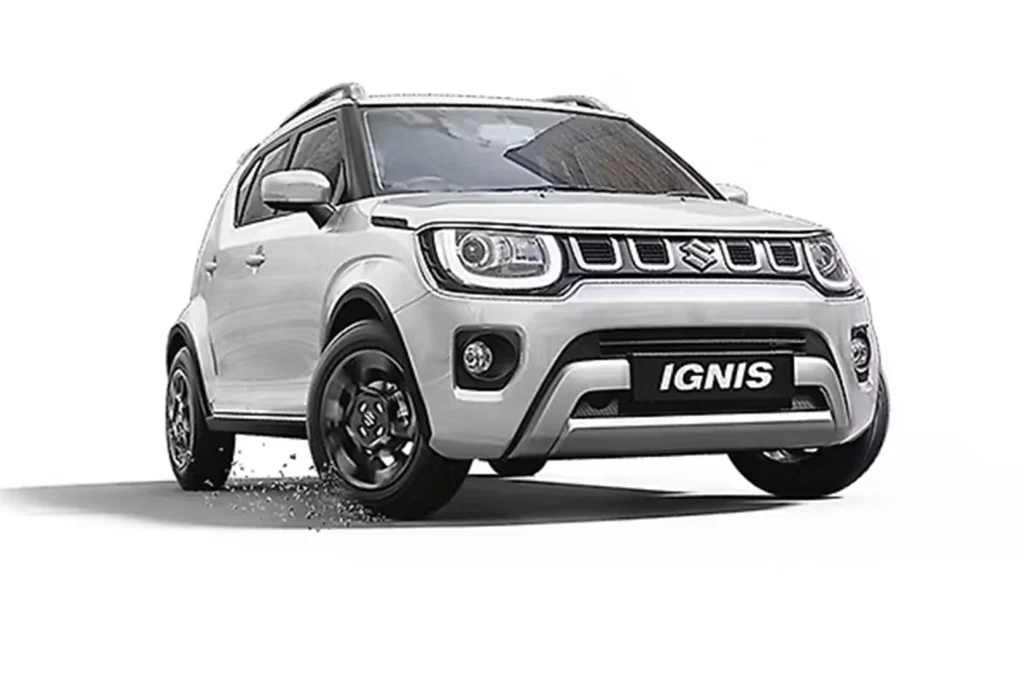
The Ignis always stood out because of its unconventional design. It had a tall-boy stance, boxy proportions, and SUV-inspired elements like cladding and high ground clearance.

From a real-world perspective, many buyers either loved or hated its look there was rarely a middle ground. The bold front grille and unique C-pillar design gave it a distinct identity, especially compared to rivals like Hyundai Grand i10 Nios.
However, over time, design trends shifted toward more aggressive and sporty SUVs. The Ignis started to feel less aspirational compared to newer crossovers.
Engine, Performance and Driving Experience
The Ignis was powered by a reliable 1.2L K-Series petrol engine. This engine is well-known for its smooth performance and low maintenance something I’ve personally experienced across multiple Maruti cars.
In city driving, the Ignis felt light and easy to maneuver. The steering was smooth, and the compact size made parking effortless. It was perfect for urban users.
However, on highways, performance felt average. It lacked the punch and stability that modern buyers expect, especially when compared to turbocharged rivals or compact SUVs.
Mileage and Real-World Fuel Efficiency
Mileage has always been a strong point for Maruti Suzuki cars, and Ignis was no exception.
Here’s what you can expect:
| Condition | Mileage |
|---|---|
| City Driving | 14–16 km/l |
| Highway Driving | 18–20 km/l |
In real-world usage, the Ignis delivered consistent efficiency. For daily commuters, this made it a cost-effective option. But today, even SUVs are offering similar mileage figures, reducing Ignis’ advantage.
Interior, Comfort and Seating Quality
Inside, the Ignis offered a clean and functional cabin. The dual-tone dashboard and floating touchscreen added a premium touch.
Seat comfort was decent for short to medium drives. The upright seating position gave good visibility, which many city drivers appreciated.
However, compared to newer cars, the interior started to feel basic. Rear seat space was average, and long-distance comfort wasn’t its strongest point.
Features and Latest Technology
The Ignis came with essential modern features, including:
- Touchscreen infotainment system
- Apple CarPlay & Android Auto
- Steering-mounted controls
- Push-button start
While these features were good at launch, they became standard across all segments. Competitors began offering more advanced tech like larger screens, connected car features, and digital clusters.
This made the Ignis feel slightly outdated in today’s tech-savvy market.
Safety Features and Build Quality
Safety-wise, the Ignis offered:
- Dual airbags
- ABS with EBD
- Rear parking sensors
- ISOFIX child seat mounts
The build quality was decent but not segment-leading. In my experience, it felt light compared to some rivals.
With increasing awareness about safety, buyers now prefer cars with stronger build quality and higher safety ratings, which impacted Ignis sales.
Variants, Colours and Customization Options
The Ignis was available in multiple variants ranging from Sigma to Alpha. It also offered AMT options for convenience.
Color choices included:
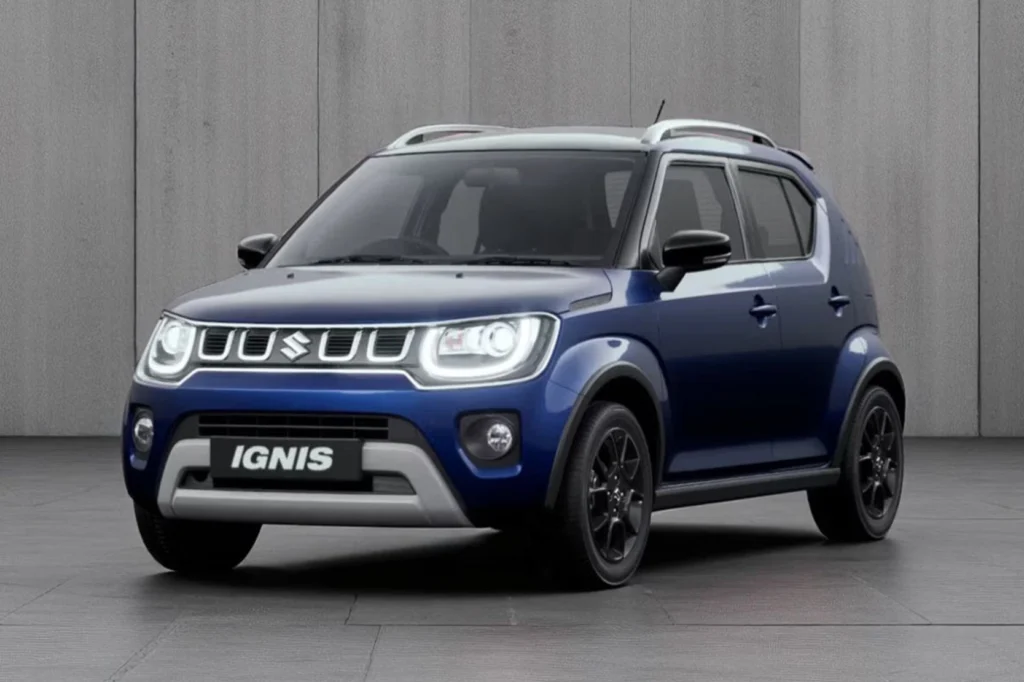
- Nexa Blue
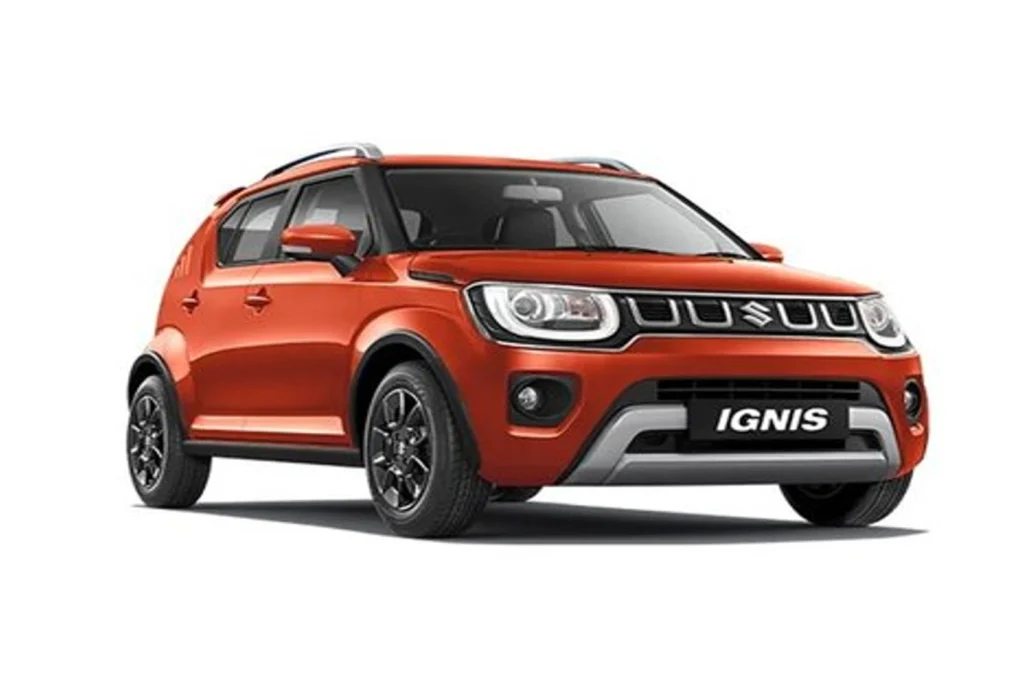
- Lucent Orange
- Silky Silver
- Pearl White
Customization options were available through NEXA accessories, but they were limited compared to modern personalization trends.
Price, On-Road Cost and Expected Launch
Before discontinuation, the Ignis was priced between ₹5.8 lakh to ₹8.1 lakh (ex-showroom).
On-road prices varied depending on the city, typically reaching ₹6.5 lakh to ₹9.5 lakh.
Since production is being stopped, there is no new launch expected. Dealers may offer discounts on remaining stock.
Pros and Cons of Maruti Suzuki Ignis
Pros:
- Easy to drive in city traffic
- Reliable and low maintenance
- Good fuel efficiency
- Unique design
Cons:
- Outdated compared to rivals
- Average highway performance
- Limited rear space
- Weak resale demand recently
Comparison with Main Rivals
Compared to Tata Punch and Hyundai Exter, the Ignis falls short in:
- SUV styling appeal
- Safety perception
- Feature list
Even hatchbacks like Maruti Suzuki Swift offer better resale value and wider acceptance.
Who Should Buy This Car?
You should consider buying the Ignis only if:
- You want a budget-friendly city car
- You prefer compact size for daily commuting
- You find a good discount on remaining stock
Otherwise, better alternatives are available in today’s market.