



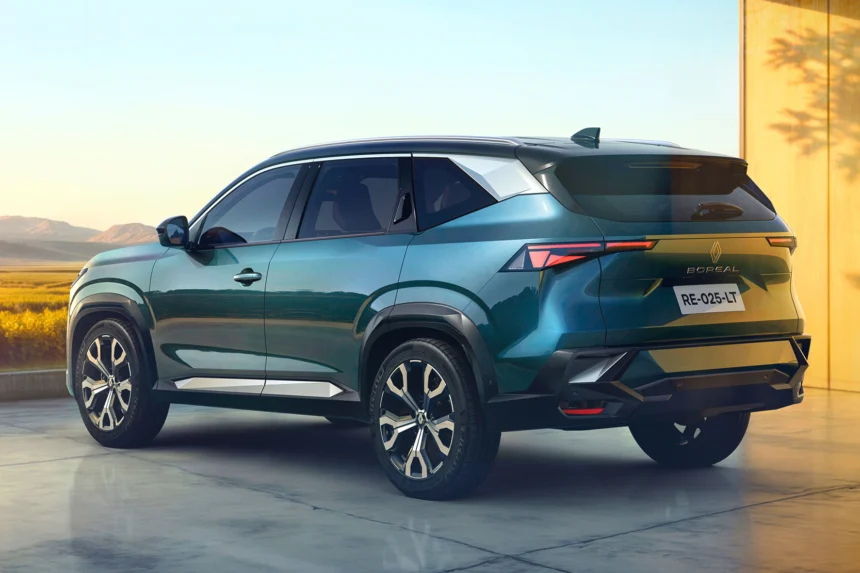
The Renault Boreal (Bigster) 2026 is an upcoming 7-seater SUV expected to offer bold SUV styling, hybrid petrol engine options, spacious three-row seating, modern tech features, and an estimated starting price of ₹14–18 lakh (ex-showroom), making it a strong value-focused family SUV in India and global markets.
- Overview of Renault Boreal (Bigster)
- Design and Exterior Looks
- Engine, Performance and Driving Experience
- Mileage and Real-World Fuel Efficiency
- Interior, Comfort and Seating Quality
- Features and Latest Technology
- Safety Features and Build Quality
- Variants, Colours and Customization Options
- Price, On-Road Cost and Expected Launch
- Pros and Cons of Renault Boreal (Bigster)
- Comparison with Main Rivals
- Who Should Buy This Car?
- FAQ
“Spacious, practical 7-seater SUV with strong value potential.”
Automotive Expert
Overview of Renault Boreal (Bigster)
The Renault Boreal (Bigster) 2026 is an upcoming three-row SUV expected to be positioned in the mid-size SUV segment. It will likely share its platform with the new-generation Duster and use Renault-Nissan’s CMF-B architecture. The SUV is expected to offer petrol and hybrid engine options, advanced safety features, and modern infotainment technology.
With rugged styling, higher ground clearance, and spacious cabin layout, the Boreal (Bigster) aims to attract large families and SUV enthusiasts. Renault is targeting markets like India, Europe, and Latin America with aggressive pricing and strong value-for-money positioning.
Design and Exterior Looks
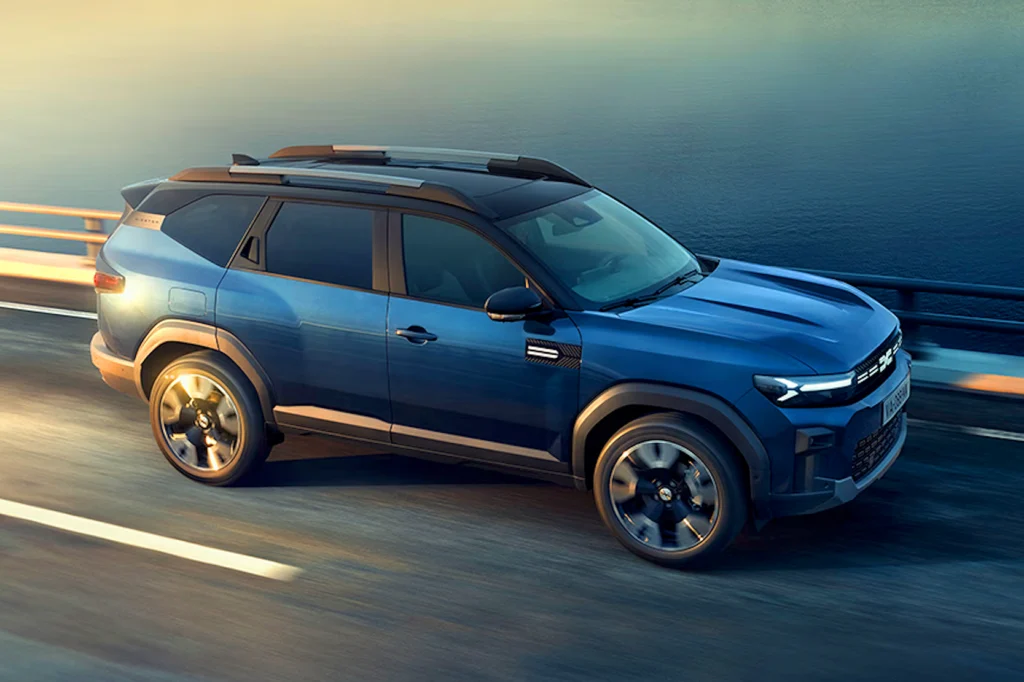
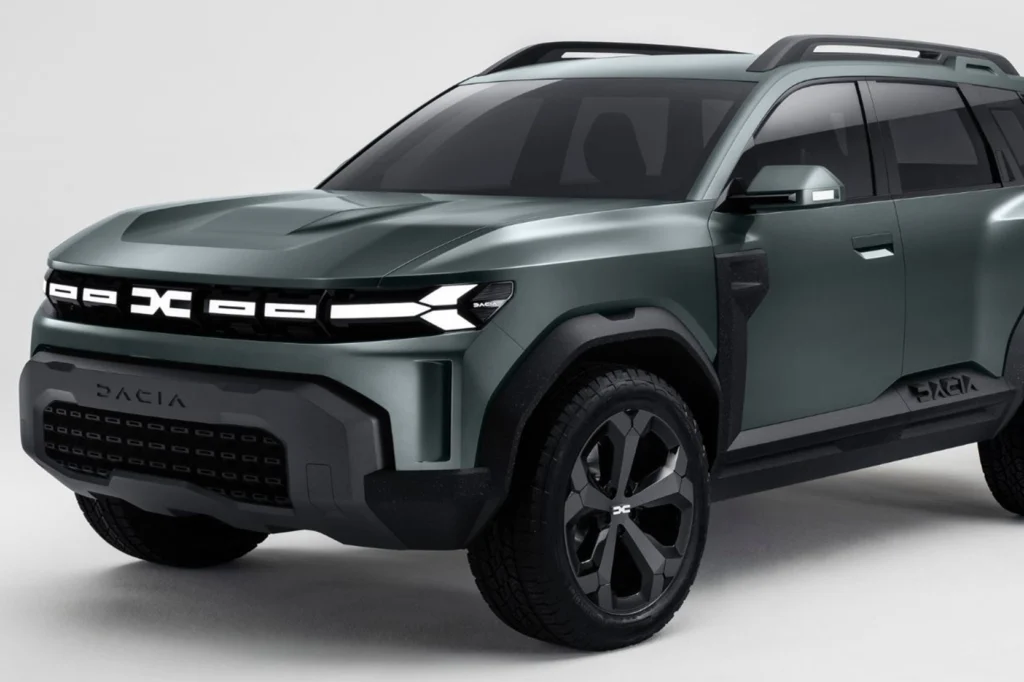
The Renault Boreal (Bigster) is expected to carry bold SUV styling inspired by the Bigster concept. Expect a wide front grille, muscular bonnet lines, LED headlamps, and C-shaped LED DRLs that give it a modern European design appeal.

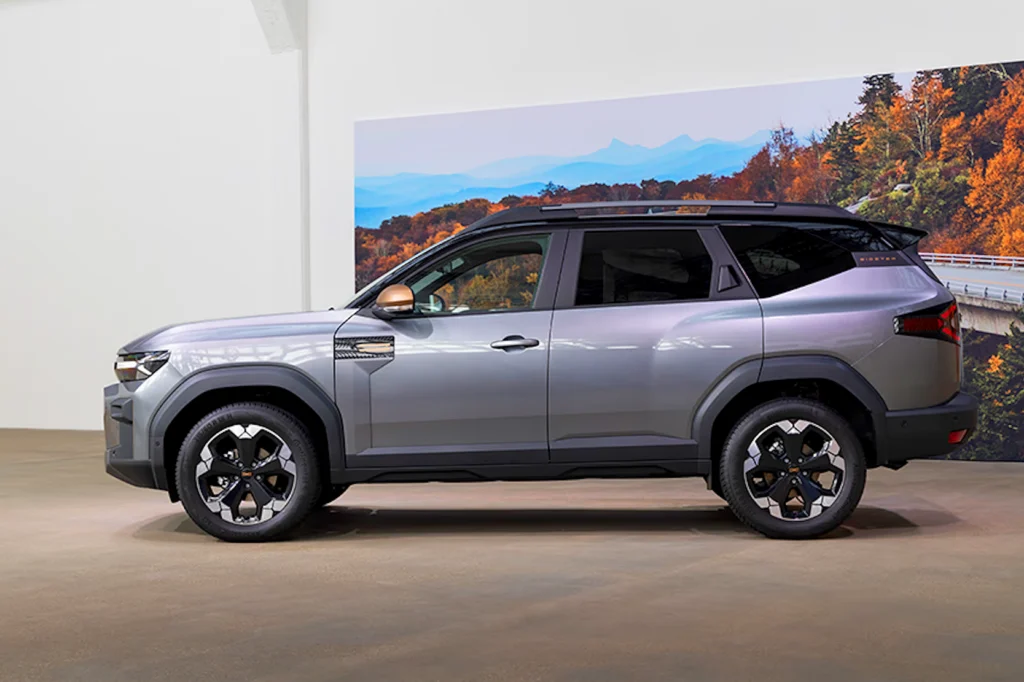
From side profile, it will likely feature squared wheel arches, roof rails, and 17- or 18-inch alloy wheels. The upright stance and extended rear section clearly indicate its 7-seater layout.
At the rear, connected LED tail lamps and a chunky bumper design may enhance its premium look. Overall, it should look bigger and more rugged than the current Duster, which is exactly what Indian SUV buyers prefer.
Engine, Performance and Driving Experience
The Renault Boreal (Bigster) 2026 is expected to offer multiple powertrain options:
- 1.3L turbo petrol engine
- 1.2L turbo petrol mild-hybrid
- Strong hybrid variant (in selected markets)
The turbo petrol engine could produce around 140–160 PS, offering strong mid-range performance for highway drives. Renault may offer both manual and CVT/automatic transmission options.
Based on Renault’s previous SUVs, the driving experience should be comfortable rather than sporty. Suspension tuning is likely to focus on absorbing Indian road conditions, making it suitable for long family trips and daily city driving.
Mileage and Real-World Fuel Efficiency
Fuel efficiency will be a key factor for Indian buyers.
Expected mileage figures:
| Engine Type | Expected Mileage |
|---|---|
| 1.3L Turbo Petrol | 16–18 km/l |
| Mild Hybrid | 18–20 km/l |
| Strong Hybrid | 20–23 km/l |
In real-world conditions, I expect around 15–17 km/l in city traffic and 18–20 km/l on highways for the petrol versions. The hybrid variant could significantly improve urban fuel economy.
Interior, Comfort and Seating Quality
Inside, the Renault Boreal (Bigster) is expected to offer a practical and spacious cabin. Since it’s a 7-seater SUV, the second-row legroom and third-row usability will be crucial.
From platform analysis, the second row should comfortably seat three adults. The third row may be more suitable for children or short trips for adults, which is typical in this segment.
Expect features like:
- Large touchscreen infotainment system (10-inch approx.)
- Digital instrument cluster
- Wireless Android Auto and Apple CarPlay
- Automatic climate control
- Rear AC vents
- Adjustable headrests and ample boot space (with third row folded)
Seat cushioning is expected to be soft and comfortable, ideal for long-distance travel.
Features and Latest Technology
Renault will likely pack the Boreal (Bigster) with modern technology to compete with rivals.
Expected features include:
- 360-degree camera
- Push-button start
- Wireless charging
- Cruise control
- Connected car technology
- Over-the-air updates
In higher variants, Advanced Driver Assistance Systems (ADAS) like lane assist and adaptive cruise control could be offered in global markets.
This would make it one of the most tech-forward Renault SUVs in its price segment.
Safety Features and Build Quality
Safety will be a major focus, especially since buyers now check Global NCAP ratings before purchase.
Expected safety features:
- 6 airbags
- ABS with EBD
- Electronic Stability Control (ESC)
- Traction control
- Hill-start assist
- ISOFIX child seat mounts
The CMF-B platform is known for improved structural rigidity. If Renault manages a 4 or 5-star safety rating, it will significantly boost the SUV’s appeal.
Variants, Colours and Customization Options
The Renault Boreal (Bigster) 2026 is expected to be offered in multiple trims:
- Base (manual)
- Mid (manual/automatic)
- Top (automatic/hybrid)
Expected color options:
- Pearl White
- Metallic Grey
- Deep Blue
- Fiery Red
- Black
Dual-tone roof options may be available in higher variants, along with accessories like roof carriers, side steps, and body cladding kits.
Price, On-Road Cost and Expected Launch
The expected price of Renault Boreal (Bigster) in India could start around ₹14 lakh and go up to ₹18–20 lakh (ex-showroom).
Estimated on-road price in major cities:
- Delhi: ₹16–22 lakh
- Mumbai: ₹17–23 lakh
- Bangalore: ₹18–24 lakh
The global launch is expected In 2026 with India launch likely in Late 2026.
Pros and Cons of Renault Boreal (Bigster)
Pros:
- Spacious 7-seater SUV layout
- Strong road presence
- Hybrid engine option
- Competitive pricing
- Modern infotainment features
Cons:
- Third row may be tight for adults
- Renault resale value concerns
- ADAS may be limited to top variants
Comparison with Main Rivals
The Renault Boreal (Bigster) will compete with:
- Hyundai Alcazar
- Tata Safari
- Mahindra XUV700
- Kia Carens
Compared to these rivals, the Boreal (Bigster) could stand out with hybrid options and aggressive pricing. However, brand perception and after-sales network will play a crucial role.
Who Should Buy This Car?
You should consider the Renault Boreal (Bigster) if:
- You need a budget-friendly 7-seater SUV
- You want SUV styling with family practicality
- You prefer good mileage with hybrid option
- You drive long highway trips regularly
It is ideal for middle-class families upgrading from a compact SUV or sedan.


