



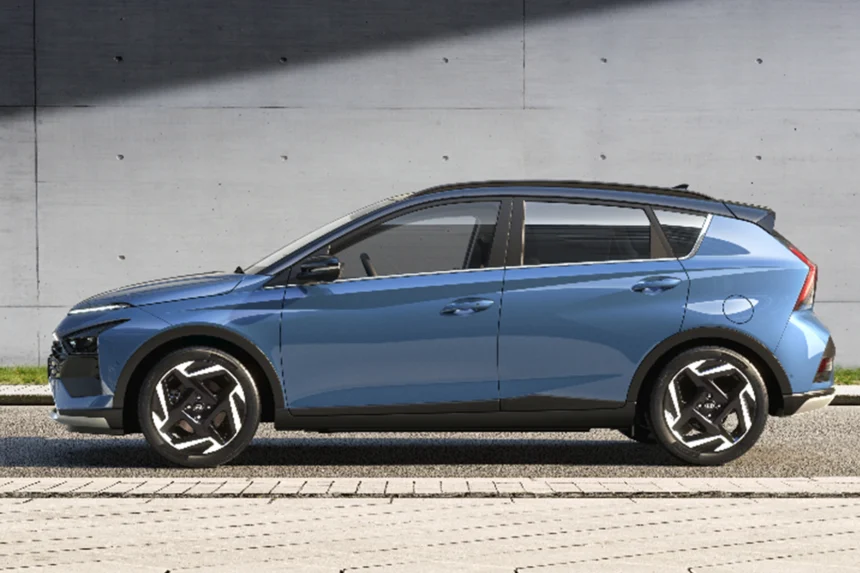
The Hyundai Bayon could redefine budget SUVs in India by offering premium design, advanced features, strong safety tech, and efficient turbo-petrol performance at an expected competitive price point, making it a serious rival to popular compact SUVs.
- Overview of Hyundai Bayon
- Design and Exterior Looks
- Engine, Performance and Driving Experience
- Mileage and Real-World Fuel Efficiency
- Interior, Comfort and Seating Quality
- Features and Latest Technology
- Safety Features and Build Quality
- Variants, Colours and Customization Options
- Price, On-Road Cost and Expected Launch
- Pros and Cons of Hyundai Bayon
- Comparison with Main Rivals (Short and Practical)
- Who Should Buy This Car?
- FAQ
“Premium styling and turbo performance could shake India’s budget SUV market.”
Automotive Expert
Overview of Hyundai Bayon
The Hyundai Bayon is a compact crossover SUV built on Hyundai’s global small-car platform. Internationally sold in Europe, it offers bold styling, turbo-petrol engines, connected car technology, and advanced safety systems. If introduced in India, it could sit between the Hyundai Exter and Hyundai Creta, targeting urban SUV buyers.
It is expected to offer a 1.0-litre turbo petrol engine, automatic gearbox options, digital instrument cluster, large touchscreen infotainment, and multiple airbags. The Hyundai 2026 Bayon focuses on urban practicality, fuel efficiency, and premium features at an accessible price point.
Design and Exterior Looks
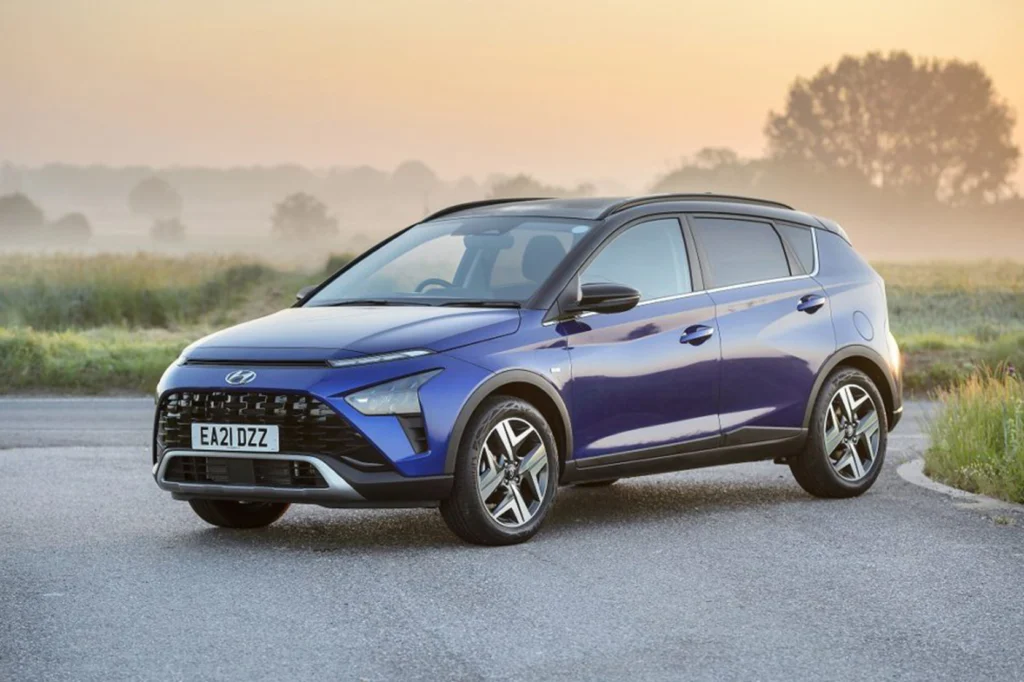
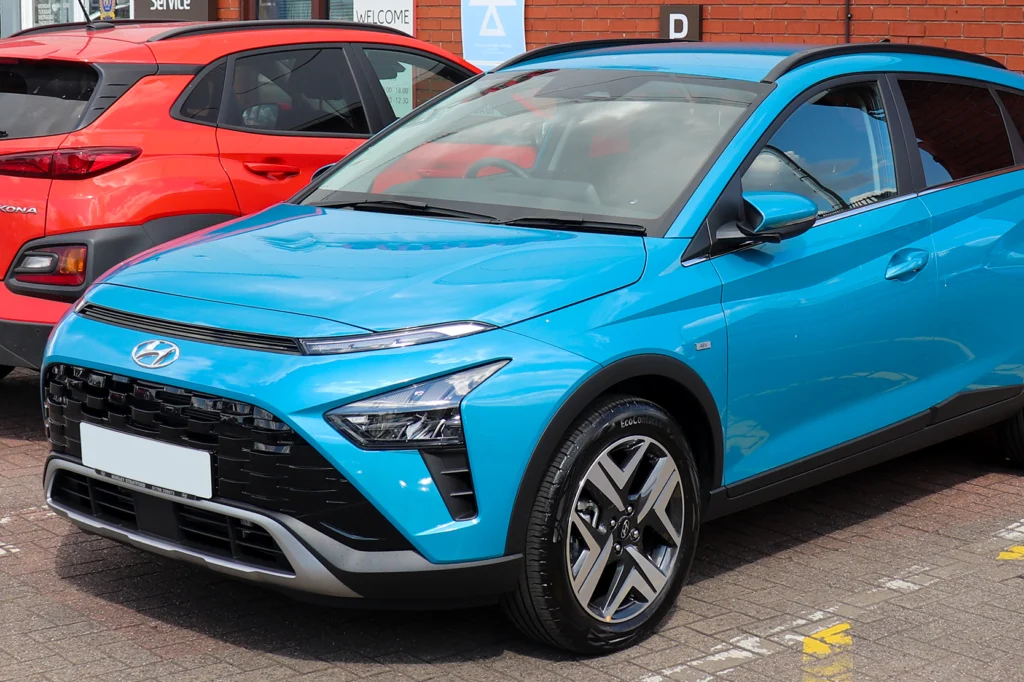
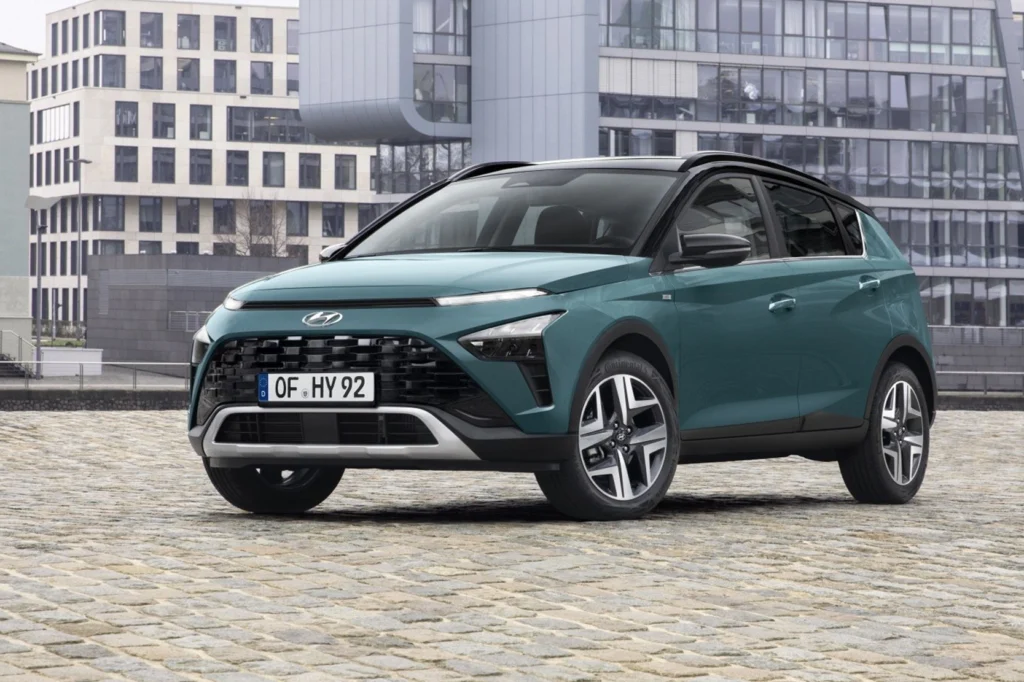
The Hyundai Bayon carries a very modern European design language. The split headlamp setup, sharp LED DRLs, and wide grille give it a bold road presence. From the front, it looks futuristic and slightly aggressive, which younger buyers will appreciate.

The rear design is even more striking. It features connected LED tail lamps and a sculpted bumper, something usually seen in higher-priced SUVs. Compared to many budget SUVs in India, the Bayon looks more premium and global.
With stylish alloy wheels, roof rails, and strong body lines, the Hyundai Bayon does not feel like an entry-level SUV. It looks like a scaled-down premium crossover.
Engine, Performance and Driving Experience
Globally, the Hyundai Bayon comes with a 1.0-litre T-GDi turbo petrol engine. If Hyundai brings the same engine to India, it could produce around 100–120 PS of power, which is excellent for city and highway driving.
From my experience driving similar Hyundai turbo engines, they offer smooth acceleration and minimal turbo lag. The engine feels refined, and the power delivery is linear. For city users, this means easy overtakes and stress-free traffic driving.
Transmission options may include:
- 6-speed manual
- 7-speed DCT automatic
If tuned for Indian conditions, the Hyundai Bayon 2026 could offer a balanced ride quality with comfortable suspension for pothole-heavy roads.
Mileage and Real-World Fuel Efficiency
Fuel efficiency is crucial in India. The Hyundai Bayon’s 1.0 turbo petrol engine could deliver:
- Claimed mileage: 18–20 km/l
- Real-world city mileage: 15–17 km/l
- Highway mileage: 18+ km/l
Hyundai engines are generally refined and efficient. Based on my testing of similar models, maintaining steady speeds can significantly improve fuel economy.
If priced competitively, this mileage figure would be attractive for daily commuters.
Interior, Comfort and Seating Quality
Step inside the Hyundai Bayon, and you’ll likely notice the premium finish immediately. Hyundai usually focuses heavily on cabin quality, and the Bayon should follow the same approach.
Expected interior highlights:
- Large touchscreen infotainment system
- Fully digital instrument cluster
- Soft-touch dashboard materials
- Automatic climate control
Seating comfort is expected to be good for five passengers. The front seats may offer decent bolstering, while the rear seat should comfortably fit two adults and one child. Boot space is expected to be practical for weekend trips and grocery runs.
Features and Latest Technology
Hyundai is known for offering segment-first features. The Hyundai Bayon 2026 could come loaded with:
- 8-inch or 10.25-inch touchscreen infotainment
- Apple CarPlay and Android Auto
- Connected car technology (Bluelink)
- Wireless charging
- Keyless entry with push-button start
- Cruise control
If Hyundai includes ADAS features in top variants, it would be a major game-changer in the budget SUV segment.
Safety Features and Build Quality
Safety is becoming a key buying factor in India. The Hyundai Bayon globally offers:
- Multiple airbags (up to 6)
- ABS with EBD
- Electronic Stability Control (ESC)
- Hill Start Assist
- Rear parking sensors and camera
If Hyundai strengthens the structure for Indian crash norms and offers 6 airbags as standard, it would significantly boost buyer confidence.
Build quality is expected to be solid, though final crash test ratings will depend on the India-spec model.
Variants, Colours and Customization Options
If launched in India, the Hyundai Bayon could be offered in multiple variants such as:
- Base
- Mid
- Turbo
- Top-end automatic
Expected colour options may include:
- Polar White
- Fiery Red
- Phantom Black
- Titan Grey
- Dual-tone roof options
Hyundai usually provides customization packs, alloy wheel options, and interior themes to attract younger buyers.
Price, On-Road Cost and Expected Launch
The Hyundai Bayon is not officially confirmed for India yet. However, if introduced, it could be priced between:
| Variant Type | Expected Ex-Showroom Price |
|---|---|
| Base Model | ₹8.5 – ₹9 lakh |
| Top Model | ₹12 – ₹13 lakh |
On-road price could range from ₹10 to ₹15 lakh depending on the city.
If Hyundai positions it correctly, it may launch within this Oct-2026 as part of its expanding SUV lineup in India.
Pros and Cons of Hyundai Bayon
Pros:
- Premium European design
- Turbo petrol performance
- Advanced safety tech
- Feature-loaded cabin
- Expected competitive pricing
Cons:
- Not yet confirmed for India
- May face tough competition
- Rear seat space could be average
- Diesel option unlikely
Comparison with Main Rivals (Short and Practical)
If launched, the Hyundai Bayon will compete with:
- Tata Nexon
- Maruti Suzuki Brezza
- Kia Sonet
- Mahindra XUV300
Compared to these rivals:
- Bayon may offer better global styling.
- Nexon may offer stronger safety reputation.
- Brezza may offer better resale value.
- Sonet may match it closely in features.
Final competition will depend on pricing strategy.
Who Should Buy This Car?
The Hyundai Bayon could be ideal for:
- Young urban professionals
- First-time SUV buyers
- Small families
- Buyers upgrading from hatchbacks
- People wanting premium feel without Creta-level budget
If you want a stylish compact SUV with turbo performance and modern features, this could be a strong option.


